
 EN
EN
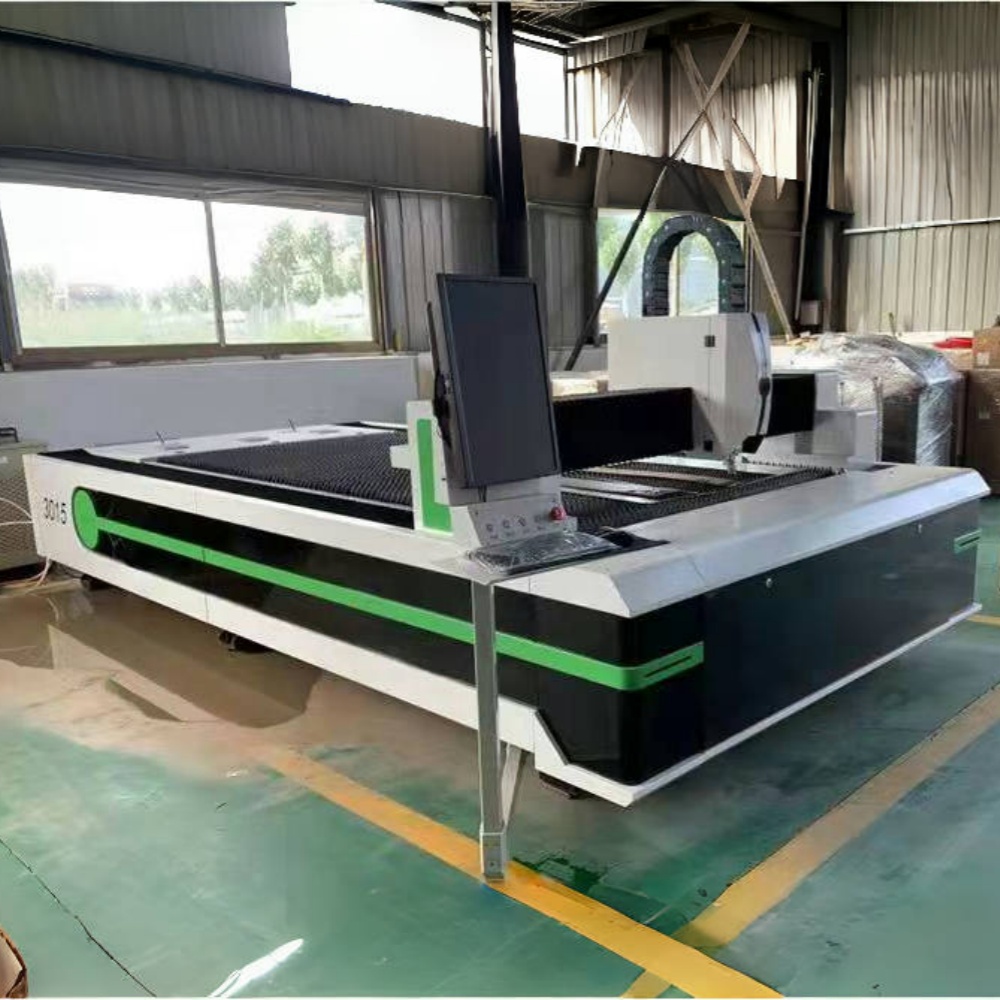
Material waste represents one of the most significant cost drivers in modern fabrication operations. Whether your facility specializes in sheet metal work, electronics assembly, or custom component production, the efficiency of your cutting processes directly impacts your bottom line. A small fiber laser cutter offers a transformative solution to this persistent challenge, combining precision engineering with economic practicality to substantially reduce material waste during fabrication workflows.
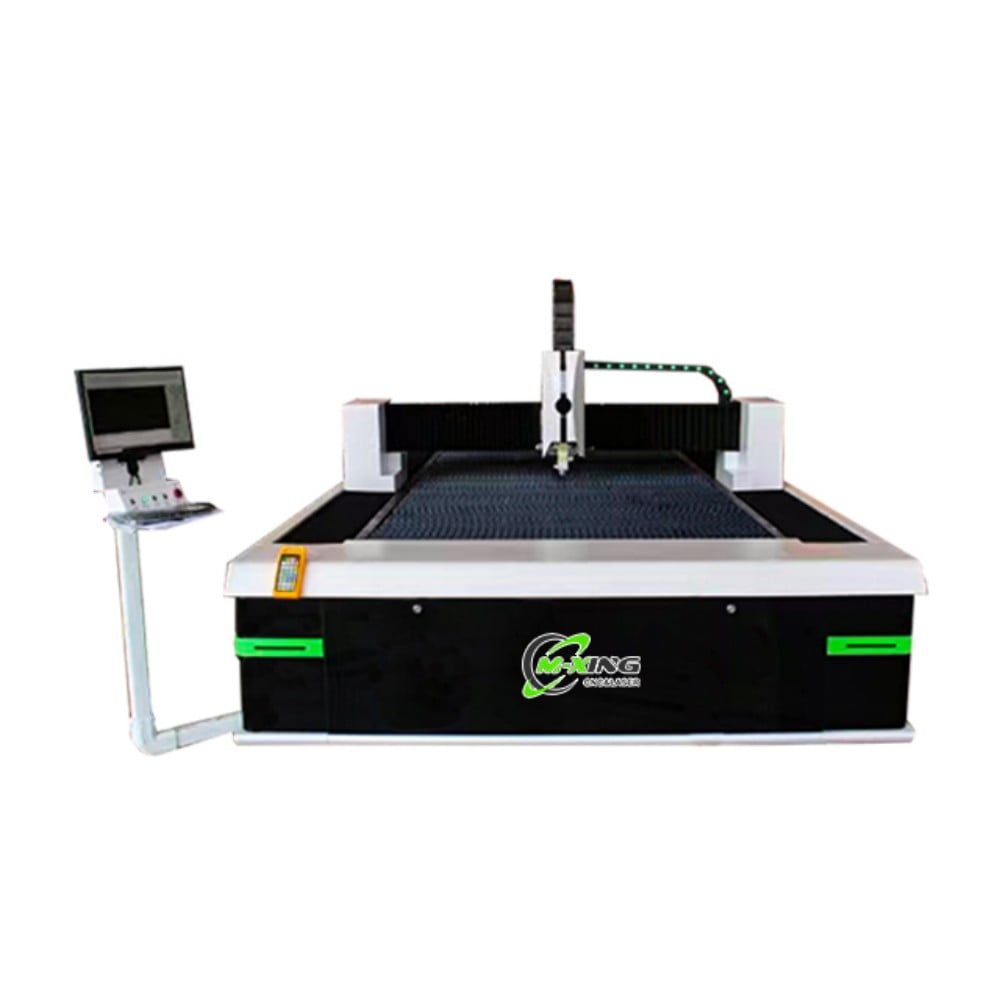
The shift from traditional mechanical cutting to laser-based fabrication represents a fundamental rethinking of how material is processed and removed. A small fiber laser cutter delivers exceptional precision at lower operational costs, making it an accessible choice for facilities of all sizes. The technology inherently produces minimal kerf loss, maintains consistent cut quality across extended production runs, and integrates seamlessly into existing manufacturing environments without requiring extensive facility modifications.
How Precision Cutting Reduces Scrap Material
Narrow Kerf Width Advantage
Traditional mechanical cutting methods remove material through abrasive or blade-based processes that inherently produce wide cutting kerfs, often ranging from 2 to 5 millimeters depending on the blade thickness and cutting technology employed. When a small fiber laser cutter processes the same material, the laser beam concentrates energy into a spot measuring approximately 0.1 to 0.3 millimeters in diameter, resulting in dramatically reduced kerf width. This precision means significantly more usable material remains available for secondary operations or sale as premium stock rather than being classified as waste scrap.
Consider a fabrication facility cutting intricate components from sheet stock. With a small fiber laser cutter, each component loses only a minimal margin around its perimeter to the cutting process. When multiplied across hundreds of parts per day, this difference accumulates into substantial cost savings. The reduced kerf width also enables tighter nesting of component patterns on raw material sheets, allowing manufacturers to extract additional usable parts from each sheet before waste occurs.
Edge Quality and Secondary Processing
A small fiber laser cutter produces edges that require minimal secondary finishing, unlike mechanical cuts that often need additional grinding, polishing, or deburring. When edge quality meets specification immediately upon cutting, manufacturers eliminate rework operations that both consume time and generate additional waste. The thermal properties of fiber laser cutting create sealed, burr-free edges on most materials, reducing or eliminating post-cut processing steps that would otherwise remove additional material.
The cleaner edge profile from a small fiber laser cutter also improves downstream manufacturing reliability. Components with superior edge finish integrate more effectively into assembly processes, reducing rejection rates and the associated waste from rework or scrap. This quality advantage extends the useful life of cutting tools and fixtures, further reducing indirect waste costs associated with tool maintenance and replacement.
Material Compatibility and Waste Optimization
Diverse Material Processing Capability
A small fiber laser cutter processes an exceptionally wide range of materials efficiently, including stainless steel, aluminum, copper, brass, titanium, and various alloys commonly used in modern manufacturing. This versatility allows facilities to standardize on a single cutting platform rather than maintaining multiple mechanical cutting systems for different materials. Standardization reduces equipment costs, operator training requirements, and the material waste that inevitably accompanies learning curve inefficiencies when switching between different cutting technologies or platforms.
Different materials respond distinctly to laser cutting, and a small fiber laser cutter offers programmable parameters that optimize cutting performance for each specific material and thickness combination. This adaptability means operators can achieve ideal cut speeds and quality across diverse production runs without equipment reconfiguration or manual adjustment delays that might otherwise lead to setup scrap or suboptimal cutting performance.
Thickness Optimization and Nesting Efficiency
A small fiber laser cutter processes materials ranging from extremely thin foils to thick industrial plates with equal capability, though speed and power requirements scale appropriately with material thickness. This broad operational range allows manufacturers to select material thickness with precision, avoiding unnecessary over-specification that would generate waste through excessive post-cutting material removal. When design engineers know that a small fiber laser cutter can reliably produce features in thinner material specifications, they optimize designs for minimal material consumption while maintaining structural and functional requirements.
Advanced nesting software that accompanies modern small fiber laser cutter systems analyzes raw material dimensions and component geometry to identify optimal cutting patterns that maximize utilization rates. These algorithms consider material grain direction, potential defects, and component orientation to extract maximum usable parts from each sheet or plate. The computational efficiency of digital cutting planning eliminates the waste inherent in manual layout processes where operators might overlook optimization opportunities.
Economic and Operational Benefits Beyond Waste Reduction
Throughput and Production Efficiency
A small fiber laser cutter operates at cutting speeds substantially faster than mechanical alternatives, with the speed advantage particularly pronounced for intricate geometries and fine features. Faster processing reduces the amount of time material spends in the cutting process, which translates directly to higher daily throughput and reduced work-in-process inventory. Lower work-in-process inventory means less material remains vulnerable to damage, contamination, or environmental degradation during production cycles.
The speed advantage of a small fiber laser cutter becomes especially significant when processing complex geometries with numerous internal features or multiple cutouts. Mechanical cutting systems often require slowing down in these situations to maintain tool integrity and cut quality, while a small fiber laser cutter maintains consistent speeds regardless of pattern complexity. This consistency improves predictability in production planning and reduces the scheduling inefficiencies that sometimes lead to material waste through rush orders or expedited processing.
Maintenance and Tool Lifecycle Economics
A small fiber laser cutter requires minimal consumable replacement compared to mechanical cutting systems. Laser cutting produces no tool wear in the traditional sense, as the cutting medium is energy rather than a physical blade or grinding wheel. This fundamental difference eliminates the progressive quality degradation that occurs with mechanical tools as they wear, which often necessitates increased material removal rates to maintain dimensional accuracy. By maintaining consistent cutting parameters throughout its operational life, a small fiber laser cutter prevents the gradual increase in scrap generation that characterizes aging mechanical cutting equipment.
The reduced maintenance burden of a small fiber laser cutter translates to higher equipment availability and more consistent production output. Manufacturing facilities that experience less downtime for tool changes and maintenance generate less scrap from rushed processing or operator errors during extended shift changes. The reliability of laser systems also supports lean manufacturing principles where consistent, predictable processes reduce inventory buffers and associated waste.
FAQ
What materials can a small fiber laser cutter process effectively?
A small fiber laser cutter excels at processing metals including stainless steel, aluminum, copper, brass, titanium, and various industrial alloys. The technology works effectively across a wide range of material thicknesses and can handle both ferrous and non-ferrous metals. While fiber lasers do not cut non-metallic materials like wood or plastic effectively, their superior performance on metals makes them ideal for precision metalworking and fabrication operations where material waste reduction is critical.
How much material waste reduction should I expect from upgrading to a small fiber laser cutter?
Material waste reduction from a small fiber laser cutter typically ranges from 20 to 40 percent compared to mechanical cutting methods, depending on your current cutting technology, material types processed, and production patterns. The narrow kerf width alone produces significant savings, while improved edge quality that eliminates secondary processing further enhances material efficiency. Facilities implementing advanced nesting software alongside a small fiber laser cutter often achieve waste reduction at the higher end of this range or beyond.
Is a small fiber laser cutter suitable for low-volume or prototype production?
Yes, a small fiber laser cutter performs exceptionally well for low-volume and prototype production because it requires minimal setup time and allows rapid programming changes between different component designs. The material waste reduction benefits of a small fiber laser cutter apply equally to short production runs and high-volume operations, making it a valuable investment for job shops and facilities handling diverse customer projects. The flexibility and precision of laser cutting become increasingly valuable as production volumes and design complexity vary across different orders.
