
 EN
EN
Custom fabrication shops face constant pressure to deliver precision results while managing production timelines and material waste. A co2 cnc laser cutter addresses these challenges by combining automated control with laser precision, transforming how fabricators approach cutting, engraving, and detailed work. The ability to process multiple materials without tool changes makes a co2 cnc laser cutter a strategic investment for shops seeking measurable productivity gains and consistent quality across diverse projects.
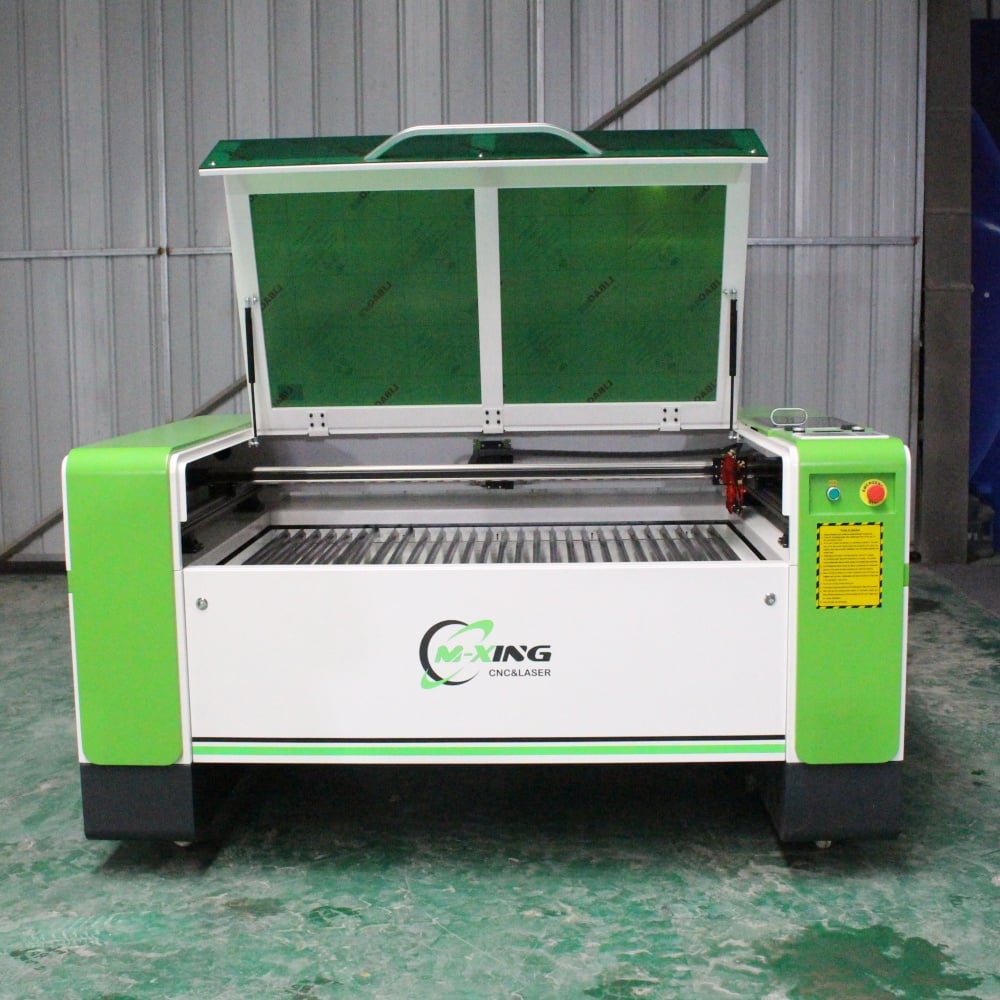
Understanding whether a co2 cnc laser cutter truly increases efficiency requires examining specific operational improvements: reduced material waste, faster processing cycles, minimal secondary finishing, and expanded design capability. When integrated into a fabrication workflow, a well-configured co2 cnc laser cutter delivers tangible time and cost reductions that ripple through project completion schedules. This article explores the practical efficiency gains, operational mechanics, and decision factors that determine whether a co2 cnc laser cutter is the right fit for your custom fabrication operation.
How a CO2 CNC Laser Cutter Enhances Production Speed
Automated Cutting and Precision Alignment
A co2 cnc laser cutter eliminates the setup delays and human error inherent in manual cutting processes. Once a design is loaded into the machine's software, the co2 cnc laser cutter executes repetitive cuts with identical precision every time, removing the need for operator adjustment between parts. The CNC control system ensures that each component meets exact dimensional specifications, reducing rework and scrap rates that traditionally drain resources in custom fabrication shops.
Multi-Material Processing Without Tool Changes
One of the most significant efficiency advantages of a co2 cnc laser cutter is its ability to cut and engrave wood, acrylic, fabric, rubber, leather, and composite materials in a single setup. Traditional fabrication requires changing physical tools and recalibrating equipment for different materials, a process that costs valuable production time. A co2 cnc laser cutter switches between cutting and engraving functions with software commands alone, allowing fabricators to complete diverse orders with minimal downtime and workflow interruption.
Material Efficiency and Waste Reduction
Precision Kerf and Nested Layout Optimization
The laser beam in a co2 cnc laser cutter is extremely narrow, typically under 0.1 inches, resulting in minimal material loss per cut. This tight kerf width means a co2 cnc laser cutter produces significantly less scrap than band saws, water jets, or CNC routers operating on the same material sheets. Computer-controlled nesting software further amplifies material savings by arranging parts geometrically to maximize yield from each sheet, a capability that transforms large-scale custom fabrication economics.
No Deburring or Secondary Finishing Required
A co2 cnc laser cutter creates clean, sealed edges on cut surfaces, particularly on acrylic and wood materials. This burn-sealed edge eliminates or dramatically reduces the labor-intensive deburring and finishing steps that follow traditional cutting methods. Fabricators using a co2 cnc laser cutter often deliver finished components directly to customers or downstream assembly, collapsing timelines and reducing labor overhead associated with manual edge treatment and surface finishing.
Design Flexibility and Custom Capabilities
Complex Geometry and Rapid Prototyping
A co2 cnc laser cutter executes intricate designs, tight curves, and detailed engravings without the tool breakage or limitations faced by mechanical cutting systems. Custom fabrication shops can handle complex customer requests—decorative patterns, logos, serial numbers, and bespoke shapes—all within the same machine setup. This design flexibility transforms a co2 cnc laser cutter from a basic cutting tool into a revenue-expanding asset capable of serving high-margin custom and specialty markets.
Short Setup Time and Design Iteration
When a customer requests design modifications or additional enhancements, a co2 cnc laser cutter requires only software file updates rather than physical tooling changes. This responsiveness accelerates the design-to-production cycle, allowing fabricators using a co2 cnc laser cutter to prototype, test, and refine projects rapidly. The reduced friction between design approval and production launch strengthens customer relationships and supports the quick turnarounds that custom fabrication clients increasingly demand.
Real-World Efficiency Metrics
Measurable Productivity Gains in Custom Fabrication
Fabrication shops implementing a co2 cnc laser cutter report consistent metrics: production cycles reduced by 40 to 60 percent compared to manual methods, scrap rates dropping from 15 to 5 percent of material purchased, and labor hours per unit decreasing as automated operation replaces repetitive manual work. A co2 cnc laser cutter typically achieves positive ROI within 18 to 24 months when integrated into an active custom fabrication operation with regular order flow. These metrics reflect not just speed improvements but also the compounding benefit of material savings, labor reduction, and the ability to access higher-margin specialty work.
Operational Consistency and Quality Predictability
Beyond raw speed, a co2 cnc laser cutter delivers the consistency that custom fabrication customers increasingly require. Every part cut with the same machine settings produces identical results, eliminating the variance that plagues manual processes and leading to higher first-pass yields. Fabricators using a co2 cnc laser cutter can confidently guarantee delivery schedules and quality standards, competitive advantages that translate directly into customer retention and premium pricing power.
FAQ
What materials can a co2 cnc laser cutter process?
A co2 cnc laser cutter effectively cuts and engraves wood, acrylic, fabric, rubber, leather, cork, paper, mylar, and many composite materials. The machine cannot process metals directly, though it can engrave anodized or coated metal surfaces. Material thickness compatibility ranges from thin paper to solid wood up to 1 inch or more depending on power and design, making a co2 cnc laser cutter versatile across diverse custom fabrication applications.
How much operator skill is required to run a co2 cnc laser cutter?
Operating a co2 cnc laser cutter requires basic software training and safety awareness rather than advanced technical expertise. Most operators become proficient within a few days of hands-on instruction, focusing on design file preparation, material placement, and machine settings specific to each material type. Ongoing efficiency improvements come from understanding how a co2 cnc laser cutter responds to different parameters, allowing operators to optimize speed, power, and cutting quality over time.
Is a co2 cnc laser cutter cost-effective for small custom fabrication shops?
A co2 cnc laser cutter requires significant upfront capital investment, making financial sense primarily for shops with consistent order volume and access to materials suited to laser processing. Small shops with irregular, low-volume work may find outsourced laser services more practical than direct ownership. However, shops with steady custom fabrication demand—particularly those targeting personalization, awards, signage, or specialty products—typically recover a co2 cnc laser cutter investment through productivity gains and margin expansion within two to three years.
