
 EN
EN
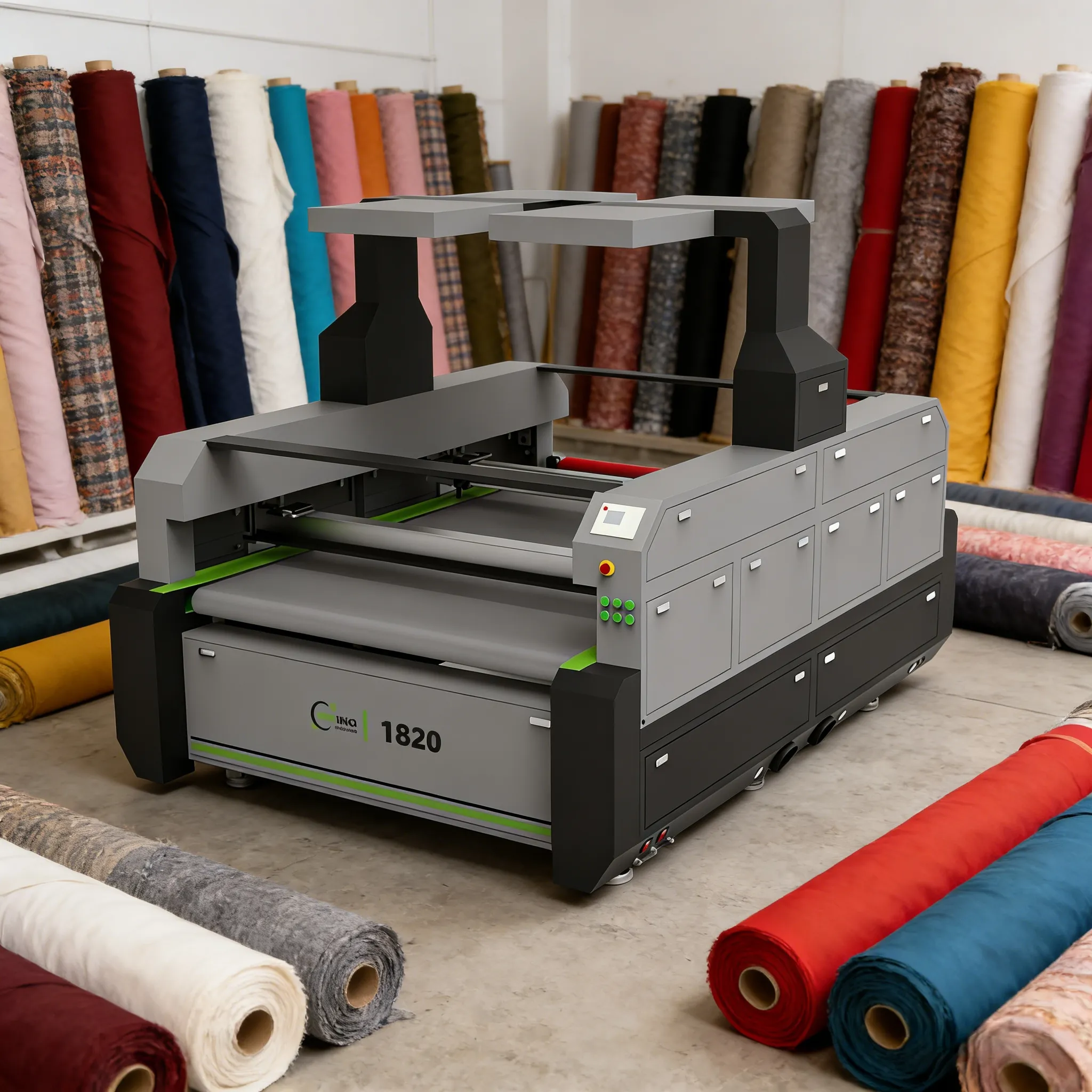
An engrave machine has become indispensable across numerous industrial sectors where precision component marking is essential for traceability, compliance, and product identification. From aerospace to medical devices, manufacturers depend on engrave machine technology to apply permanent marks, serial numbers, and regulatory identifiers onto complex components with exceptional accuracy and repeatability. Understanding which industries rely most heavily on engrave machine systems reveals why this technology remains central to modern manufacturing operations and quality assurance processes.
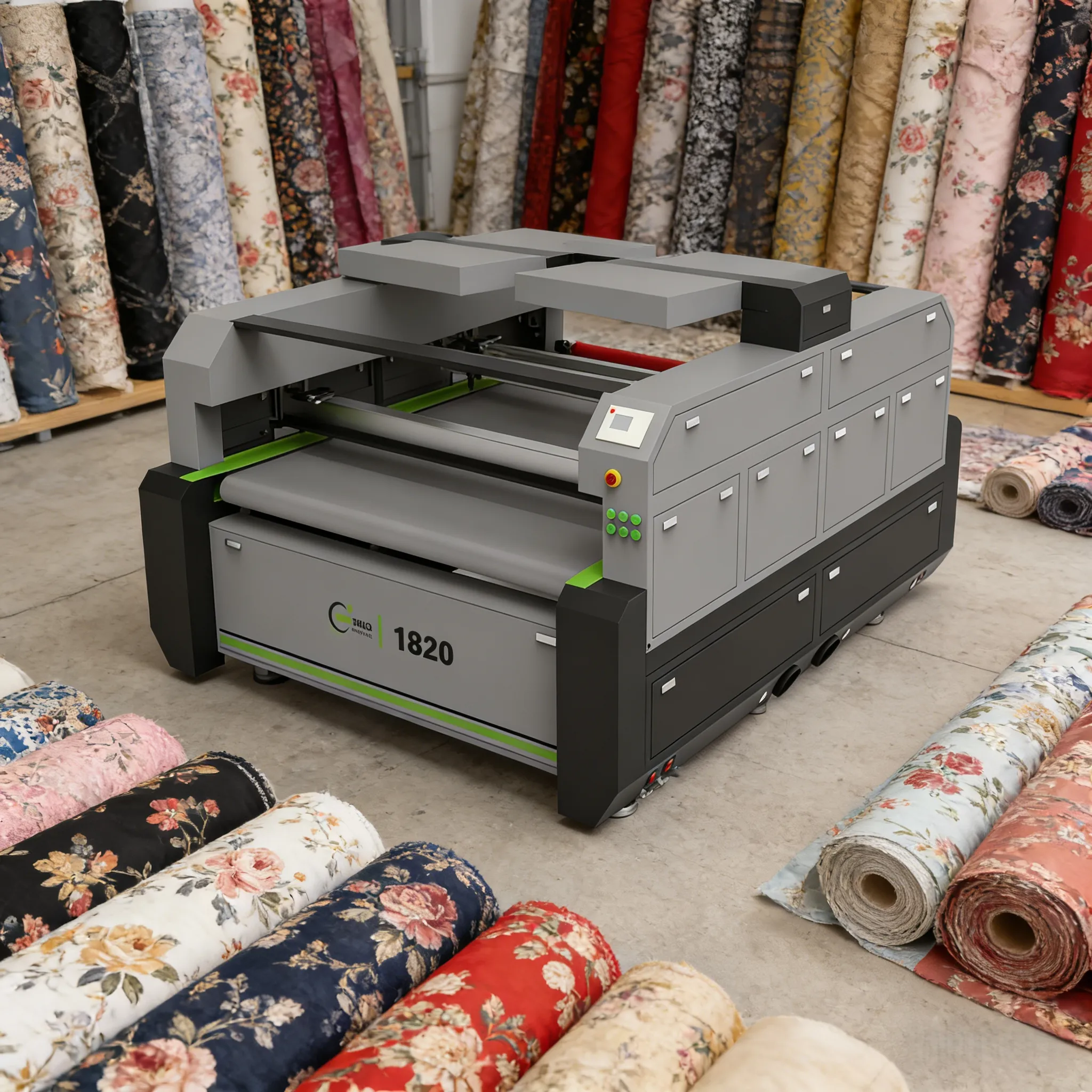
The aerospace and defense industries represent the largest adopters of engrave machine solutions, where strict traceability requirements mandate that every component carry permanent identification marks. These marks must withstand extreme temperatures, vibrations, and environmental conditions throughout the aircraft or defense system lifecycle. Precision marking through an engrave machine ensures compliance with international standards such as AS9102 and ensures supply chain accountability across complex global manufacturing networks.
Aerospace and Defense Applications
Component Traceability and Compliance
Aerospace manufacturers use an engrave machine to mark engine components, fasteners, structural elements, and avionics parts with unique identifiers that track material provenance and manufacturing history. Each engrave machine marking must be legible, permanent, and resistant to chemical solvents used in aircraft maintenance. Regulatory bodies including the Federal Aviation Administration require that critical components be identifiable throughout their service life, making an engrave machine a non-negotiable requirement in aerospace production workflows.
High-Precision Marking Standards
Defense contractors depend on an engrave machine to meet exacting military specifications for component identification across weaponry, vehicles, and electronic systems. The depth, contrast, and permanence of marks created by an engrave machine must exceed strict military standards, ensuring marks remain visible after decades of operation. An engrave machine provides the reliability and precision needed to fulfill government contracts and maintain defense supply chain integrity across classified and unclassified programs.
Medical Device and Pharmaceutical Industries
Device Identification and Patient Safety
The medical device industry relies heavily on engrave machine technology to mark surgical instruments, orthopedic implants, diagnostic equipment, and pharmaceutical packaging with lot codes, expiration dates, and device identifiers. An engrave machine creates marks that withstand sterilization processes, including autoclaving and gamma radiation, without degrading or becoming illegible. Regulatory compliance with FDA requirements and international medical device regulations mandates that every product be traceable through an engrave machine marking system that cannot be altered or removed.
Biocompatibility and Sterilization Resistance
Medical device manufacturers choose an engrave machine because the marking process does not introduce materials that could contaminate implants or instruments or cause allergic reactions in patients. Unlike ink-based or adhesive labeling methods, an engrave machine creates permanent marks through material ablation or mechanical etching, ensuring zero risk of marker migration or degradation during sterilization cycles. This biocompatibility advantage makes an engrave machine the preferred choice for critical medical components where material purity is non-negotiable.
Automotive and Industrial Manufacturing
Parts Tracking and Supply Chain Management
Automotive manufacturers deploy an engrave machine throughout production facilities to mark engine blocks, transmission housings, electrical connectors, and safety-critical components with VIN-linked identifiers and manufacturing dates. An engrave machine enables manufacturers to track components through assembly lines, detect recalls efficiently, and manage warranty claims with precision. The automotive industry's increasing complexity, driven by electrification and autonomous technology, has amplified the demand for reliable engrave machine solutions that can operate at high production volumes without sacrificing marking quality.
Counterfeit Prevention and Authentication
With counterfeit parts posing significant risks to vehicle safety and warranty coverage, automotive suppliers use an engrave machine to create authentication features and unique identifiers that prove component legitimacy. An engrave machine can incorporate micro-markings, hidden codes, and security features that are difficult to replicate, protecting manufacturers and consumers from fraudulent components. Industrial manufacturers across sectors including heavy equipment, construction machinery, and power generation similarly rely on engrave machine technology to authenticate parts and prevent supply chain fraud.
Electronics and Semiconductor Manufacturing
Serial Number and Date Code Application
Electronics manufacturers use an engrave machine to mark circuit boards, microprocessors, connectors, and housings with serial numbers, manufacturing dates, and batch codes that enable product traceability and quality auditing. An engrave machine operates with micron-level precision, allowing manufacturers to create extremely small markings on densely populated circuit boards without damaging sensitive components or nearby solder joints. The electronics industry's rapid product cycles and high-volume production demands place stringent requirements on engrave machine speed and reliability that modern systems now consistently meet.
Temperature and Environmental Durability
Electronic components often operate in harsh environments ranging from automotive underbody locations to industrial control systems exposed to extreme temperatures and chemical exposure. An engrave machine creates marks that resist thermal cycling, humidity, salt spray, and industrial solvents far more effectively than traditional marking methods. This durability ensures that product identification remains intact throughout the device lifecycle, supporting long-term warranty management and failure analysis investigations where an engrave machine marking proves essential for root cause identification.
Jewelry and Precision Manufacturing
Hallmark and Authentication Marking
Jewelry manufacturers use an engrave machine to apply hallmarks, maker's marks, and precious metal certifications onto rings, bracelets, watches, and luxury items where marking permanence and aesthetic preservation are equally important. An engrave machine allows jewelers to create fine detail marks that enhance product authenticity without compromising the visual appeal of high-value items. Custom jewelry businesses rely on an engrave machine to personalize pieces with client names, dates, and engravings that add emotional value while maintaining professional presentation standards.
Precision Tool and Instrument Marking
Precision tool manufacturers depend on an engrave machine to mark cutting tools, gauges, measuring instruments, and calibration blocks with identifying information that ensures proper tool management and maintenance tracking. An engrave machine's ability to work with hardened materials, ceramics, and specialized alloys makes it ideal for marking tools that operate under extreme stress and temperature conditions. The precision and permanence of an engrave machine marking help manufacturers maintain tool inventory systems, prevent tool mix-ups on production floors, and support quality assurance documentation requirements.
FAQ
What types of materials can an engrave machine mark effectively?
An engrave machine can mark virtually all industrial materials including metals (steel, aluminum, titanium, brass), ceramics, plastics, composites, and coated surfaces. Different engrave machine technologies—such as fiber laser, CO2 laser, or mechanical engraving—are optimized for specific material properties, allowing manufacturers to select the appropriate engrave machine system for their component composition and marking requirements.
How does an engrave machine ensure marking permanence and traceability?
An engrave machine creates permanent marks through material removal, chemical alteration, or oxidation that cannot be removed or altered without visible damage to the component. This permanence is critical for traceability applications where regulatory agencies and customers need assurance that an engrave machine marking has remained intact and unmodified throughout the product lifecycle, supporting forensic analysis and recall management.
Are engrave machine marks compatible with automated inspection systems?
Yes, marks created by an engrave machine are highly compatible with machine vision and automated optical inspection systems that read serial numbers, QR codes, and data matrix codes. An engrave machine's consistent mark depth, contrast, and character definition enable reliable automated reading at production line speeds, supporting real-time quality control and data collection for Industry 4.0 manufacturing environments.
