
 EN
EN
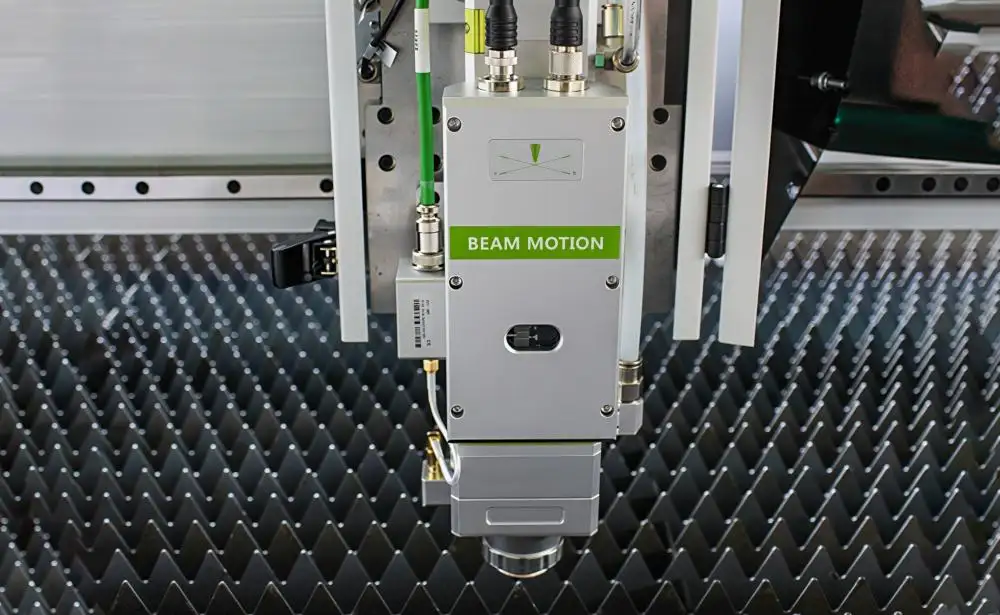
Purchasing a small fiber laser cutter represents a significant investment in industrial productivity and precision manufacturing. Before making a commitment, understanding the maintenance factors that directly impact performance, reliability, and total cost of ownership is essential. A small fiber laser cutter requires consistent attention to multiple critical systems, and buyers who overlook maintenance considerations often face unexpected downtime, reduced cutting quality, and accelerated component degradation. This guide walks you through the maintenance factors that deserve careful evaluation when selecting a small fiber laser cutter for your operation.
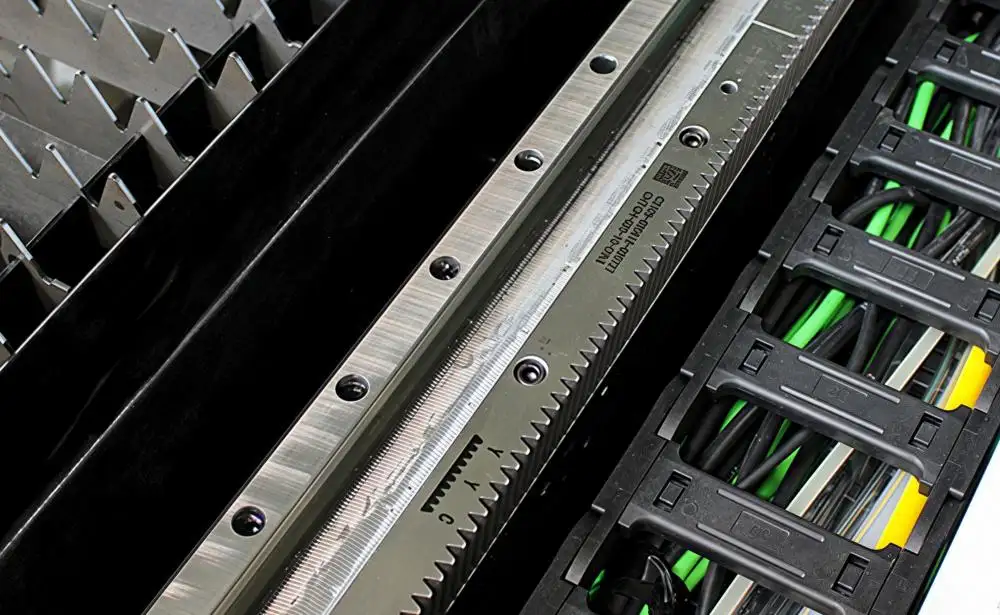
The maintenance profile of a small fiber laser cutter directly influences its operational lifespan and cutting precision. Smart buyers evaluate optical cleanliness, cooling system design, component accessibility, and preventive maintenance protocols before finalizing their purchase decision. Understanding these factors allows you to select a small fiber laser cutter that aligns with your facility's maintenance capacity and long-term profitability goals.
Optical System Maintenance and Alignment
Lens and Mirror Cleanliness Standards
The optical components in a small fiber laser cutter directly determine cutting quality and efficiency. Dust, moisture, and residue accumulation on lenses and mirrors degrade beam quality, reduce cutting speed, and increase power consumption. When evaluating a small fiber laser cutter, ask the manufacturer about their recommended cleaning intervals, required cleaning solutions, and whether lens coatings resist common industrial contaminants. High-quality small fiber laser cutter models feature protective enclosures that minimize contamination, reducing manual cleaning frequency. The accessibility of optical components for routine inspection matters significantly—some small fiber laser cutter designs allow field technicians to clean components without specialized training or extensive disassembly.
Beam Path Alignment Requirements
A properly aligned beam path is foundational to small fiber laser cutter performance. Misalignment gradually develops through thermal cycling, mechanical vibration, and normal wear, resulting in uneven cutting edges and reduced material penetration. Reliable small fiber laser cutter equipment includes built-in alignment indicators and documented procedures for periodic verification. Before purchasing, confirm that your small fiber laser cutter comes with clear alignment specifications, diagnostic tools, and remote support capabilities. Some manufacturers offer integrated alignment verification systems that alert operators when corrective action is needed, preventing performance degradation before it impacts production quality.
Cooling and Temperature Management Systems
Coolant Quality and Circulation Maintenance
The cooling system protects laser components from thermal damage and maintains consistent beam quality throughout extended production runs. For a small fiber laser cutter, coolant degradation through oxidation, contamination, and thermal stress reduces heat transfer efficiency, forcing the laser to work harder and consuming more electricity. Examine your potential small fiber laser cutter's coolant specifications, required replacement intervals, and available monitoring sensors. Premium small fiber laser cutter models include coolant filtration systems and temperature indicators that signal when maintenance is needed. Understanding the true cost of coolant ownership—including fluid replacement, disposal, filter changes, and labor—helps you assess the total cost of small fiber laser cutter operation accurately.
Environmental and Facility Considerations
Ambient temperature and humidity fluctuations challenge small fiber laser cutter stability. Equipment designed for harsh industrial environments includes sealed cooling circuits, climate-resistant components, and thermal compensation systems that maintain cutting precision despite environmental changes. When evaluating a small fiber laser cutter, assess whether your facility can support the manufacturer's recommended environmental parameters. Does your facility have air conditioning and humidity control? If environmental conditions are variable, look for small fiber laser cutter models engineered with robust compensation mechanisms. Manufacturers who understand industrial realities often provide guidance on adapting a small fiber laser cutter to less-than-ideal facility conditions without sacrificing reliability.
Component Accessibility and Service Support
Spare Parts Availability and Standardization
When a critical component fails, the availability of replacement parts determines whether your small fiber laser cutter returns to production within hours or remains offline for weeks. Evaluate whether the small fiber laser cutter manufacturer maintains local spare parts inventory, offers standardized components compatible with industry-common systems, or requires direct shipment from overseas facilities. Some small fiber laser cutter manufacturers build equipment around non-proprietary parts, enabling faster repair through local industrial suppliers. Others utilize unique components that only they can supply, potentially creating extended downtime. Ask potential vendors how quickly they typically deliver replacement parts and whether your small fiber laser cutter includes readily accessible internal components for field maintenance or requires factory service.
Documentation and Technical Support Resources
Clear, comprehensive documentation transforms small fiber laser cutter maintenance from frustrating guesswork into systematic, predictable procedures. Request detailed maintenance manuals, video resources, and troubleshooting guides before purchasing your small fiber laser cutter. Leading manufacturers provide online dashboards, remote diagnostics, and responsive technical support that reduce resolution time. A small fiber laser cutter from a company offering 24/7 support, multilingual documentation, and systematic training programs protects your investment better than equipment from vendors offering minimal post-sale engagement. Verify whether your small fiber laser cutter purchase includes training for your maintenance team and whether the manufacturer updates documentation as new service insights emerge.
FAQ
How frequently should I perform maintenance on a small fiber laser cutter?
Maintenance frequency depends on your small fiber laser cutter's usage intensity and operating environment. Most manufacturers recommend daily visual inspections, weekly coolant checks, monthly lens cleaning, and quarterly professional calibration for a small fiber laser cutter operating at standard capacity. Heavy-use environments or poor facility conditions require more frequent attention. Consult your small fiber laser cutter's documentation for specific intervals tailored to your production schedule and environmental conditions.
What should I inspect daily on my small fiber laser cutter?
Daily small fiber laser cutter inspection includes checking coolant levels and temperature, verifying beam alignment through test cuts on scrap material, listening for unusual vibration or noise, and visually scanning for visible contamination or damage. These quick checks help catch problems early before they escalate. Many small fiber laser cutter operators use simple checklists to ensure consistency and document equipment condition trends over time.
Can I extend the lifespan of my small fiber laser cutter through proactive maintenance?
Yes, systematic maintenance dramatically extends small fiber laser cutter equipment life. Facilities that follow manufacturer recommendations for coolant replacement, optical cleaning, alignment verification, and component inspection often achieve 15-20 years or more of productive operation. Neglecting maintenance, conversely, can reduce small fiber laser cutter usable lifespan to just 5-8 years. The investment in preventive maintenance consistently returns value through avoided emergency repairs, reduced production interruptions, and sustained cutting precision.
