
 EN
EN
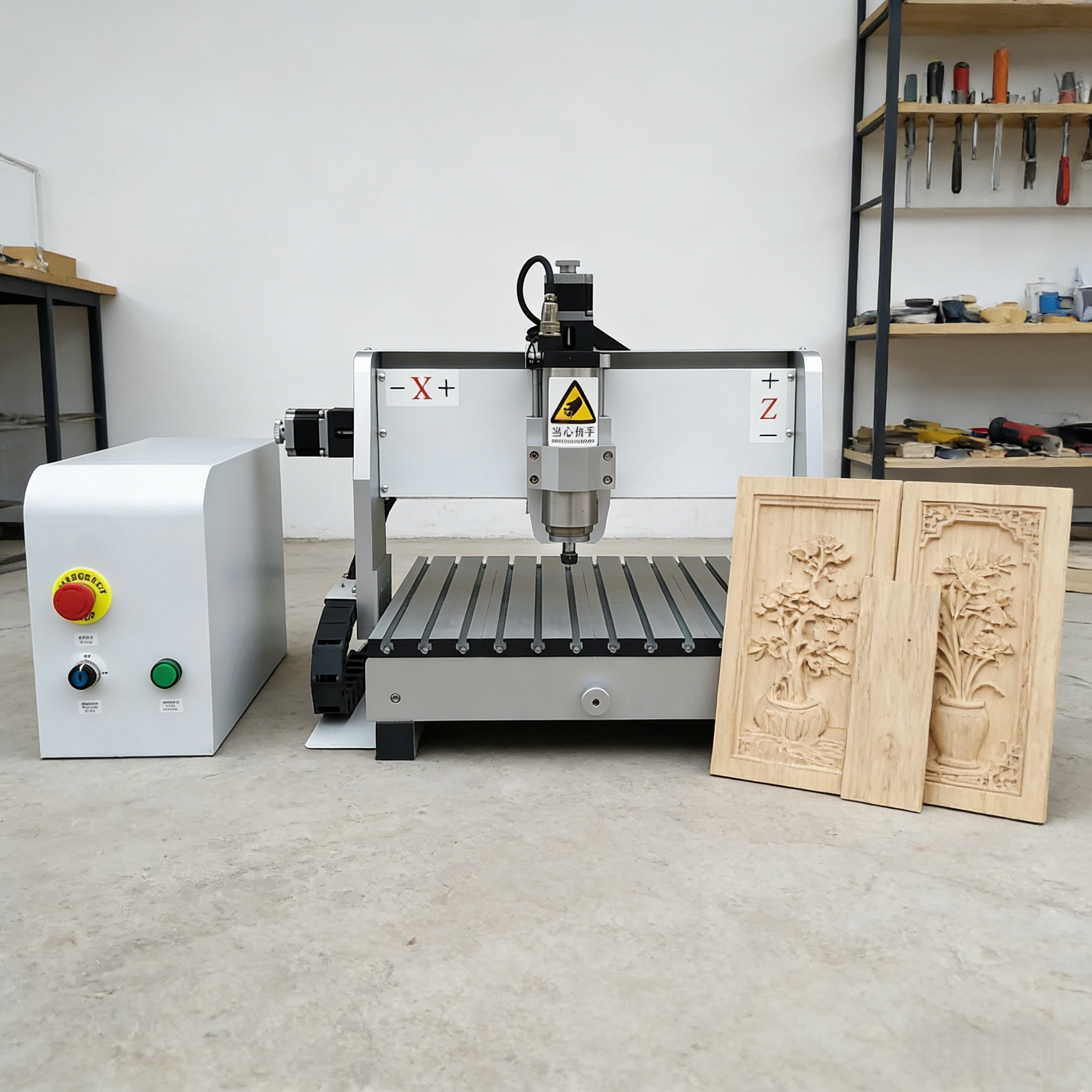
Selecting the right engrave machine is one of the most critical investment decisions your company will make in production operations. An engrave machine directly impacts your ability to customize products, meet client specifications, and maintain competitive margins. Whether you're entering the engraving market or upgrading existing equipment, understanding the key decision factors will help you avoid costly mistakes and choose equipment that aligns with your business goals and production volume.
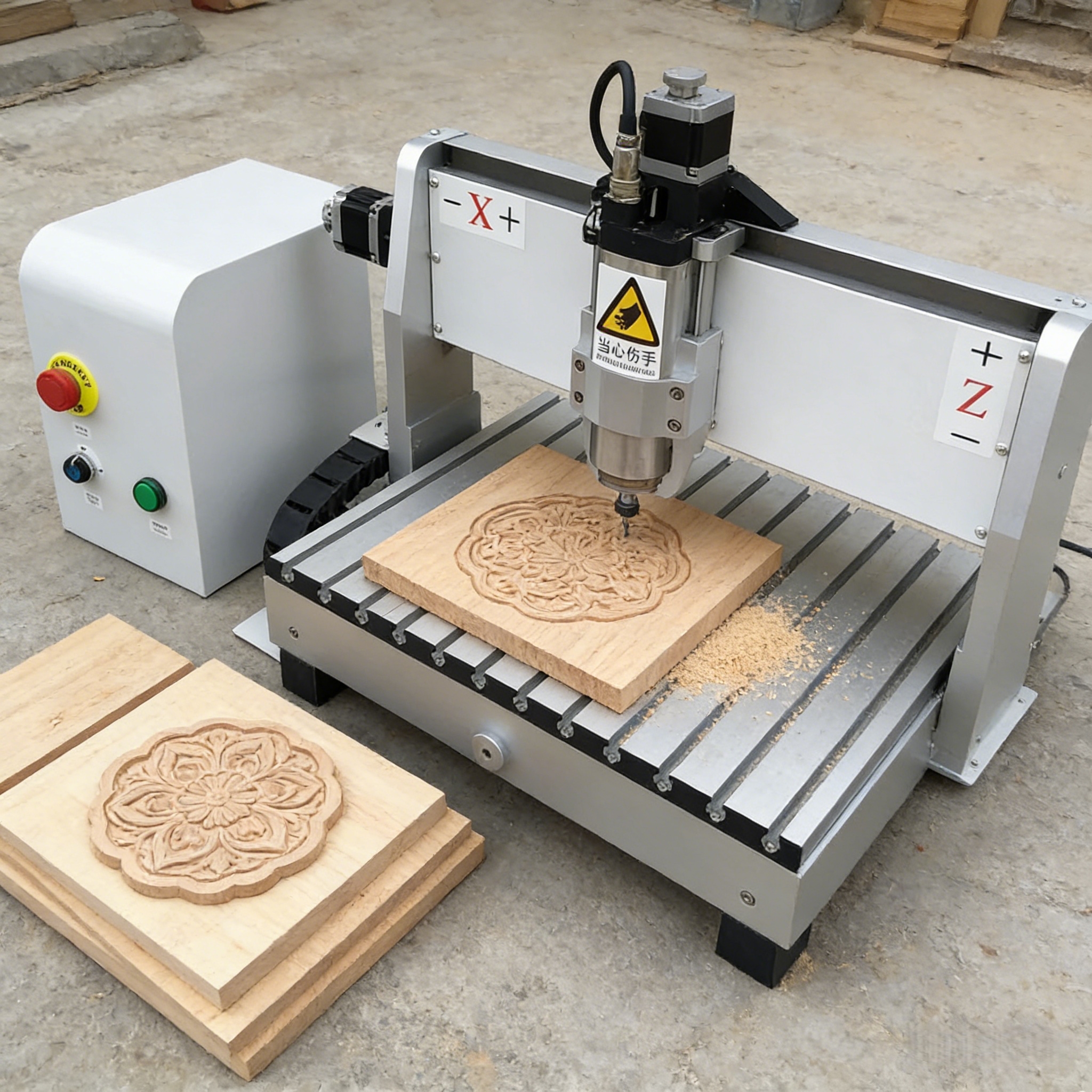
Before committing capital to an engrave machine purchase, companies must evaluate multiple technical, operational, and financial considerations. The decision extends beyond initial equipment cost to encompass power requirements, material compatibility, maintenance demands, and long-term production scalability. This comprehensive evaluation ensures your chosen engrave machine delivers measurable value and supports business growth without operational disruption.
Power Output and Engraving Capability
Understanding Wattage Requirements for Your Engrave Machine
The power rating of an engrave machine directly determines its speed, depth capacity, and material range. Most industrial engrave machine models range from 40 watts to 300 watts, with higher-wattage options enabling faster processing and thicker material penetration. A 150-watt engrave machine suits small to medium-scale operations handling acrylic, wood, and MDF, while companies requiring high-volume production with dense materials benefit from 300-watt engrave machine systems. Your power selection depends on your primary material types, desired cutting depth, and weekly production volume targets.
Performance Consistency and Beam Quality
An engrave machine's beam quality affects line sharpness, detail precision, and edge consistency across batches. CO2-based engrave machine technology produces consistent results for most organic materials, while fiber-based engrave machine systems excel with metals and coated surfaces. Before selecting an engrave machine, request sample engraving on your typical materials to assess quality consistency and edge definition. Performance testing prevents post-purchase disappointment and ensures your engrave machine meets customer acceptance standards from day one.
Material Compatibility and Operational Flexibility
Assessing Which Materials Your Engrave Machine Can Process
Material compatibility is fundamental when choosing an engrave machine for your business. An engrave machine designed for acrylic and wood differs significantly from one suited for metals, glass, or textiles. Before purchasing an engrave machine, create a definitive list of materials your company will engrave, then verify the machine's compatibility with each material type. Some engrave machine models include compatibility restrictions due to material flammability, coating requirements, or power limitations. Understanding these boundaries prevents costly trial-and-error periods and ensures your engrave machine immediately supports your product line.
Work Area Size and Design Flexibility
The cutting bed dimensions of your engrave machine determine the maximum product size and batch processing efficiency. A compact engrave machine with a 1000mm by 600mm work area suits small items and custom orders, while larger operations benefit from an engrave machine offering 1300mm by 2500mm capacity or greater. Evaluate whether your engrave machine choice accommodates your typical product dimensions, allows nesting for efficiency, and provides room for quality improvement initiatives. Undersizing your engrave machine work area becomes a persistent operational bottleneck that restricts revenue growth and customer order acceptance.
Total Cost of Ownership and Financial Justification
Calculating ROI Beyond Equipment Purchase Price
The purchase price of an engrave machine represents only one component of total ownership cost. Companies must factor in installation, training, software licensing, consumables, maintenance contracts, and facility modifications when evaluating an engrave machine investment. A mid-range engrave machine costing $15,000 might generate higher long-term returns than a budget option if it offers superior reliability, reduced downtime, and lower consumable costs. Calculate your engrave machine payback period by projecting monthly revenue from engraved products, then subtracting operational costs including materials, labor, and maintenance. This analysis prevents underestimating true investment requirements and ensures realistic financial planning.
Maintenance, Support, and Spare Parts Availability
Technical support quality and spare parts availability directly impact your engrave machine's productive lifespan. Before purchasing an engrave machine, research the manufacturer's warranty coverage, response time commitments, and parts replacement policies. Some engrave machine suppliers maintain local service centers with rapid response capabilities, while others require extended lead times for repairs. Downtime during equipment malfunction can cost your company thousands in lost production revenue daily. Prioritize engrave machine vendors offering comprehensive support packages, transparent pricing for common replacements like laser tubes and nozzles, and documented average repair turnaround times. This proactive approach protects your capital investment and maintains customer delivery reliability.
Operational Integration and Team Readiness
Software Compatibility and User Training Requirements
Your engrave machine must integrate smoothly with existing design and production workflows. Verify that your engrave machine operates with design software your team already uses or can quickly adopt. Some engrave machine models require specialized proprietary software, while others accept standard file formats like DXF, AI, and PDF. Training complexity directly affects time-to-productivity after your engrave machine installation. If your team lacks technical experience, prioritize an engrave machine with intuitive controls, comprehensive user documentation, and readily available training resources. Poor software integration delays your engrave machine launch, extends learning curves, and frustrates staff, potentially creating long-term adoption resistance.
Space Requirements and Facility Preparation
Installing an engrave machine requires adequate floor space, electrical capacity, and ventilation infrastructure. Verify your facility can accommodate your engrave machine's footprint, including access space for material loading, maintenance, and emergency stops. An engrave machine generates fumes and particulates requiring proper extraction systems to maintain air quality and equipment longevity. Calculate your facility's available three-phase or single-phase power supply against your engrave machine's electrical demands. Unexpected facility modifications can add thousands to your engrave machine project cost and delay operational launch. Contact your installation team early to assess facility readiness and plan infrastructure upgrades before equipment arrival.
FAQ
What power level engrave machine should small businesses purchase?
Small businesses typically benefit from a 40-watt to 80-watt engrave machine for initial operations. This power range handles acrylic, wood, and thin metals efficiently while maintaining reasonable operating costs. As your business scales and material variety increases, upgrading to a higher-wattage engrave machine becomes justified by increased volume and profitability.
How long does an engrave machine typically last before requiring major repairs?
A well-maintained engrave machine typically delivers 5 to 10 years of reliable service before major component replacement becomes necessary. Laser tubes, the core component in most engrave machine systems, generally last 2,000 to 5,000 operating hours depending on usage intensity and maintenance quality. Regular cleaning, proper ventilation, and scheduled maintenance significantly extend your engrave machine's productive lifespan and reduce unexpected downtime.
Can one engrave machine handle both metal and non-metal materials?
Most CO2-based engrave machine systems work effectively on organic materials like wood and acrylic but cannot engrave bare metals. Fiber laser engrave machine systems, however, excel with metals while struggling with non-metallic materials. Some operations invest in both engrave machine types to maximize material flexibility, while others focus on one material category based on market demand. Choose your engrave machine type based on your primary revenue source and future growth strategy.
