
 EN
EN
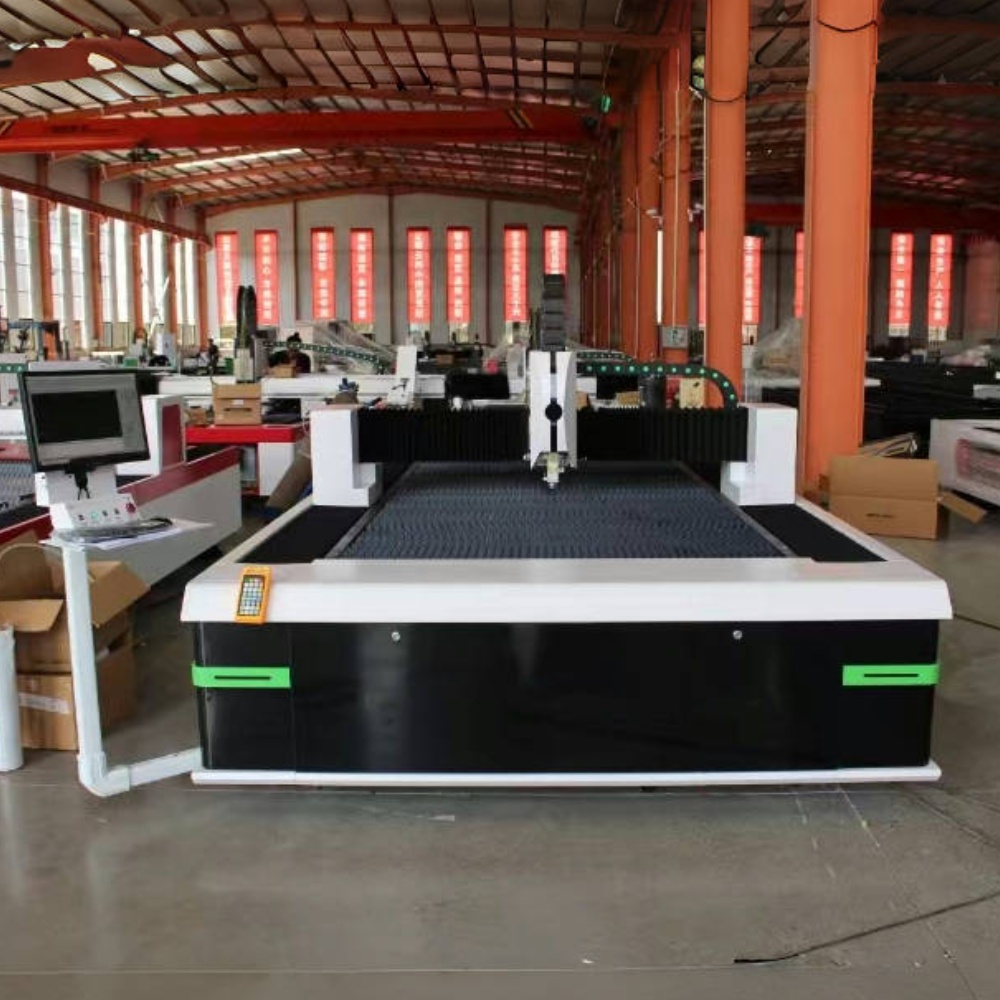
Selecting the right small fiber laser cutter for production demands careful consideration of multiple technical and operational factors. Your choice directly impacts production efficiency, quality consistency, operational costs, and long-term competitive advantage. A small fiber laser cutter delivers precision, speed, and reliability for businesses processing metals, composites, and specialized materials at scale. Understanding the core selection criteria ensures your investment aligns with production goals and delivers measurable return on investment. This guide outlines the essential framework for evaluating a small fiber laser cutter and making an informed purchasing decision.
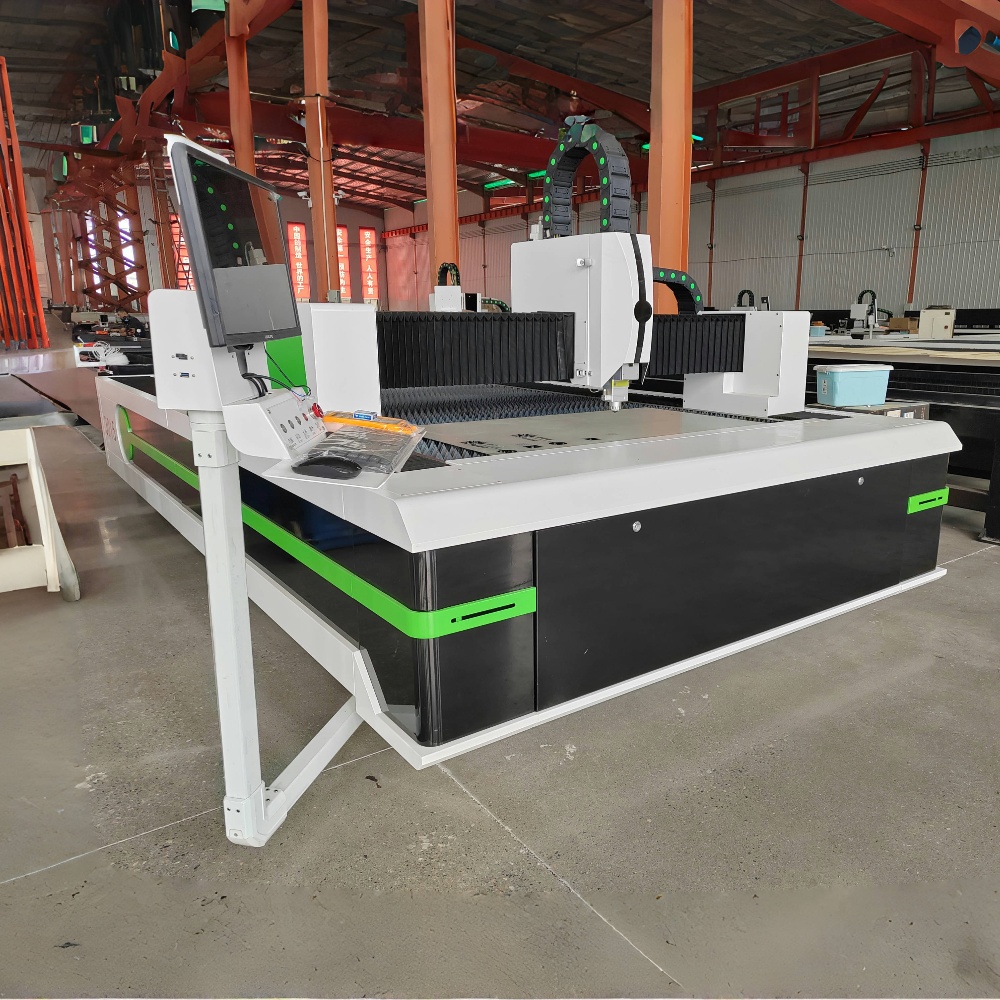
Production environments require equipment that balances performance, precision, and operational simplicity. A small fiber laser cutter addresses these needs by combining cutting-edge laser technology with manageable footprint and integration requirements. Whether your facility handles contract manufacturing, prototyping, or high-volume production runs, the right small fiber laser cutter reduces waste, accelerates throughput, and maintains strict quality tolerances. The selection process involves evaluating power specifications, cutting speed, material compatibility, software integration, maintenance requirements, and total cost of ownership.
Understanding Core Selection Criteria for a Small Fiber Laser Cutter
Power Output and Cutting Capacity
Power output is the foundational specification for any small fiber laser cutter. Measured in watts, power directly determines cutting speed, thickness capability, and material versatility. A small fiber laser cutter with 20 to 100 watts handles thin sheet metals, foils, and precision applications, while 100 to 300 watts supports thicker materials and higher production volumes. Your production workload should guide this decision: routine contract cutting benefits from mid-range power, whereas specialized aerospace or medical device cutting demands higher specifications. Evaluate your typical material thickness and required cutting speeds when benchmarking small fiber laser cutter options. Power output also influences operational costs, as higher wattage systems consume more energy per operating hour.
Cutting Speed and Production Throughput
Cutting speed directly affects production efficiency and competitive positioning. A small fiber laser cutter achieves speeds ranging from 2000 to 10000 millimeters per minute depending on material type and thickness. Faster cutting speeds reduce per-unit production time, lower energy consumption per cut, and increase facility throughput. However, speed must balance with precision requirements and material characteristics. Thin aluminum and copper require different speed parameters than stainless steel or titanium. When evaluating a small fiber laser cutter, request cutting speed benchmarks for your specific material mix. Production scheduling, delivery commitments, and market demand should inform the minimum acceptable speed threshold for your facility.
Material Compatibility and Application Scope
Supported Material Types and Thickness Ranges
Different production applications demand different material compatibility profiles. A small fiber laser cutter efficiently processes ferrous metals, stainless steel, aluminum, copper, brass, and specialized alloys. Material thickness supported typically ranges from thin foil at 0.1 millimeters to solid stock at 3 to 5 millimeters, depending on laser power and cutting parameters. Non-metallic materials present different considerations: a small fiber laser cutter cannot cut wood, acrylic, or fabric effectively because these materials absorb or transmit fiber laser wavelengths poorly. Verify that your production mix aligns with fiber laser technology capabilities before committing resources. Some applications benefit from hybrid systems combining fiber laser and CO2 technologies, though this increases capital complexity and maintenance requirements.
Precision and Edge Quality Outcomes
Production quality directly influences customer satisfaction and reject rates. A small fiber laser cutter delivers kerf widths of 0.08 to 0.15 millimeters with positioning accuracy within 0.01 millimeters under optimal conditions. This precision eliminates secondary finishing operations for many applications, reducing total production time. Edge quality affects downstream processes such as welding, assembly, or surface coating. Fiber laser cutting produces clean edges with minimal oxidation or thermal distortion compared to older laser or mechanical cutting methods. When selecting a small fiber laser cutter, review sample cuts on your intended materials and evaluate whether edge quality meets your specification requirements without additional processing. Precision capability directly impacts your ability to win tight-tolerance contracts and maintain premium pricing.
Software Integration, Automation, and Operational Considerations
Design Software Compatibility and Programming Workflow
Seamless software integration reduces setup time and minimizes operator errors. A small fiber laser cutter should support DXF, AI, PDF, and other common design formats directly from CAD systems. Programming workflow efficiency determines how quickly your design team converts customer specifications into production files. Advanced small fiber laser cutter systems include nesting optimization, which automatically arranges cutting patterns to minimize material waste. Some systems offer direct integration with industry-standard CAD software, eliminating manual export-import cycles. Evaluate the learning curve required to train existing staff on your selected small fiber laser cutter's software interface. Poor software usability extends project timelines and increases the cost per production unit. Request hands-on demonstrations and trial periods to confirm software compatibility with your existing design tools and workflows.
Maintenance Requirements and Operating Costs
Long-term ownership costs extend beyond the initial purchase price. A small fiber laser cutter requires regular maintenance including lens cleaning, mirror alignment, cooling system service, and electrical inspections. Fiber laser technology offers advantages over CO2 systems by requiring less frequent component replacement and lower consumables costs. However, fiber optics and galvanometer scanning systems represent specialized components that demand skilled maintenance technicians. Evaluate the availability of authorized service providers within your region and the typical response time for equipment downtime. Operating costs include electrical consumption, compressed air or cooling water, and replacement parts. Request detailed maintenance schedules from your vendor and compare total cost of ownership estimates across competing small fiber laser cutter models. Some equipment leasing or service agreements may prove more cost-effective than outright purchase for businesses with uncertain demand forecasts.
Safety Features and Regulatory Compliance
Production environments demand robust safety systems and regulatory compliance. A small fiber laser cutter must include enclosed cutting chambers with interlocked doors that shut down the laser immediately when opened. Fiber laser systems produce infrared radiation invisible to human eyes, making proper containment and warning systems essential. Your selected small fiber laser cutter should meet relevant safety standards including ISO 11553 and applicable OSHA regulations for your jurisdiction. Many advanced models include automatic shut-off systems triggered by motion detection within the cutting chamber. Safety documentation, operator training protocols, and hazard labeling must accompany any small fiber laser cutter installation. Facilities operating fiber laser cutting equipment should maintain current operator certifications and conduct periodic safety audits. Compliance with safety standards protects your workforce, reduces liability exposure, and maintains insurance coverage.
Making the Final Selection Decision
Evaluating Vendor Support and Service Infrastructure
Vendor quality significantly influences long-term satisfaction and equipment reliability. When selecting a small fiber laser cutter, assess your potential vendor's track record, customer references, and service response capabilities. Strong vendors provide comprehensive operator training, detailed documentation, and accessible technical support channels. Request information about warranty coverage, spare parts availability, and whether the vendor stocks replacement components locally or ships internationally. A small fiber laser cutter from a vendor with weak service infrastructure becomes a liability during production downtime. Interview existing customers operating similar equipment models and ask specific questions about real-world performance, maintenance frequency, and support responsiveness. Consider whether the vendor offers performance guarantees or output warranties that align with your production requirements. Established vendors with regional presence typically provide better long-term value than lowest-cost suppliers without service infrastructure.
Conducting Pilot Testing and Performance Validation
Before committing to full production, pilot testing validates that your selected small fiber laser cutter meets performance expectations. Request demonstration cuts on representative materials and compare results against your specification requirements. Pilot testing should include evaluation of edge quality, dimensional accuracy, cutting speed, and software interface usability. Run extended trials processing your actual production samples, not just vendor-provided test materials. Measure reject rates, secondary processing requirements, and operator productivity during pilot evaluation. Some vendors offer trial periods or leasing options allowing you to operate a small fiber laser cutter within your facility before final purchase. This hands-on evaluation reduces selection risk and provides confidence that your investment delivers expected value. Document pilot test results and use these data points to justify equipment purchase decisions to financial and operational stakeholders.
FAQ
What materials can a small fiber laser cutter process most effectively?
A small fiber laser cutter excels at processing metals including stainless steel, aluminum, copper, brass, and specialized alloys. Fiber laser wavelengths are poorly absorbed by non-metallic materials such as wood, acrylic, or fabric, making a small fiber laser cutter unsuitable for these applications. Your small fiber laser cutter selection should prioritize compatibility with your primary material mix. Hybrid systems combining fiber and CO2 technologies can address wider material ranges but add complexity and cost.
How does a small fiber laser cutter compare to CO2 laser cutting systems?
Fiber laser technology offers several advantages over older CO2 systems. A small fiber laser cutter consumes less electrical energy, requires fewer consumables, and delivers superior cutting quality on metals. CO2 lasers excel at cutting non-metallic materials, making them more versatile for mixed-material shops. Fiber laser cutting produces minimal oxidation and thermal distortion compared to CO2 methods. Choose a small fiber laser cutter specifically when your production focuses on metal cutting; CO2 or hybrid systems remain preferable for diverse material applications.
What is the typical return on investment timeline for purchasing a small fiber laser cutter?
Return on investment varies based on production volume, material costs, labor rates, and pricing strategy. Many facilities operating a small fiber laser cutter recover their capital investment within 12 to 36 months through reduced labor, lower scrap rates, and improved throughput. High-volume contract manufacturers often achieve payback within 12 to 18 months. Small job shops with intermittent demand may require 24 to 36 months. Calculate your specific ROI by comparing current production costs against projected fiber laser cutting economics. Request vendor assistance developing financial projections for your small fiber laser cutter investment based on your actual production parameters and material mix.
