
 EN
EN
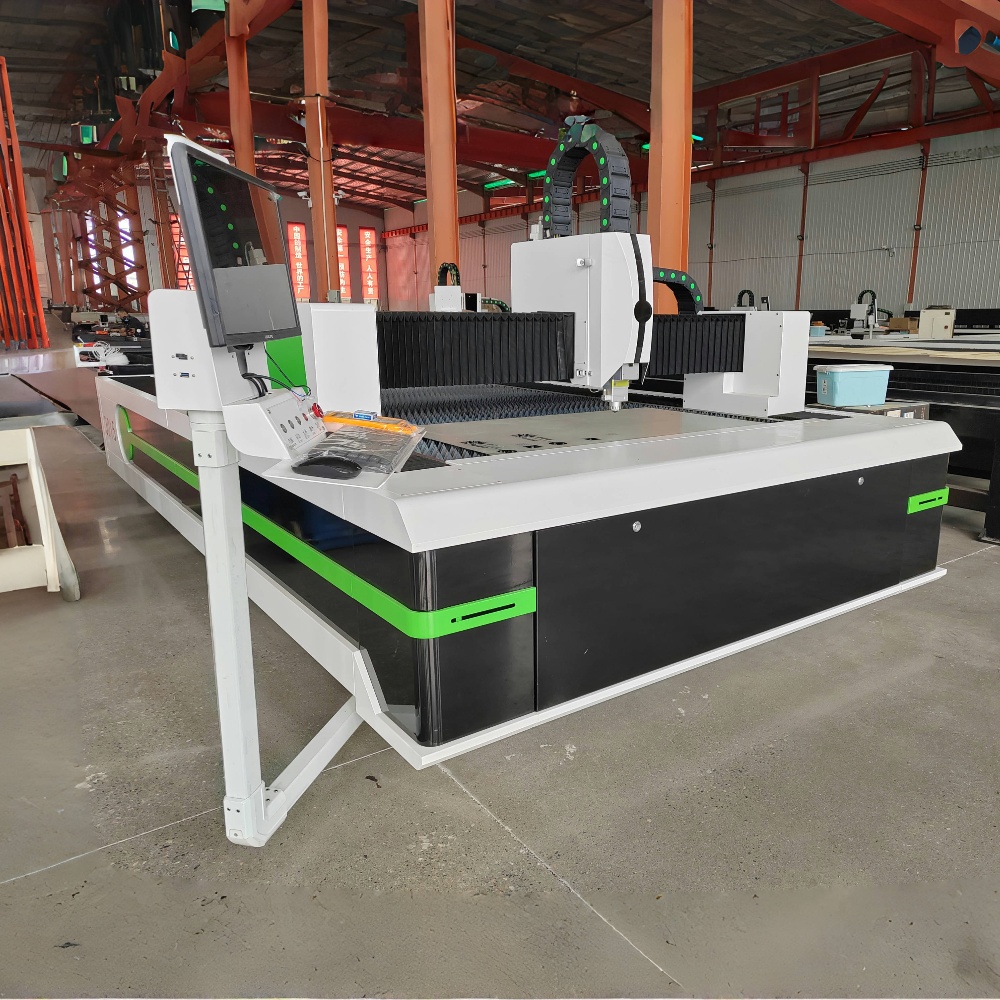
Metal processing demands precision, speed, and cost-effectiveness in today's competitive manufacturing landscape. A small fiber laser cutter has emerged as a transformative technology that directly addresses these operational challenges while delivering measurable improvements to your production capabilities. For manufacturers seeking to enhance efficiency without massive capital investment or facility disruption, a small fiber laser cutter represents a practical solution that combines advanced laser technology with manageable operating costs. This guide explores how a small fiber laser cutter can optimize your metal processing workflows and why precision laser cutting has become essential for modern industrial operations.
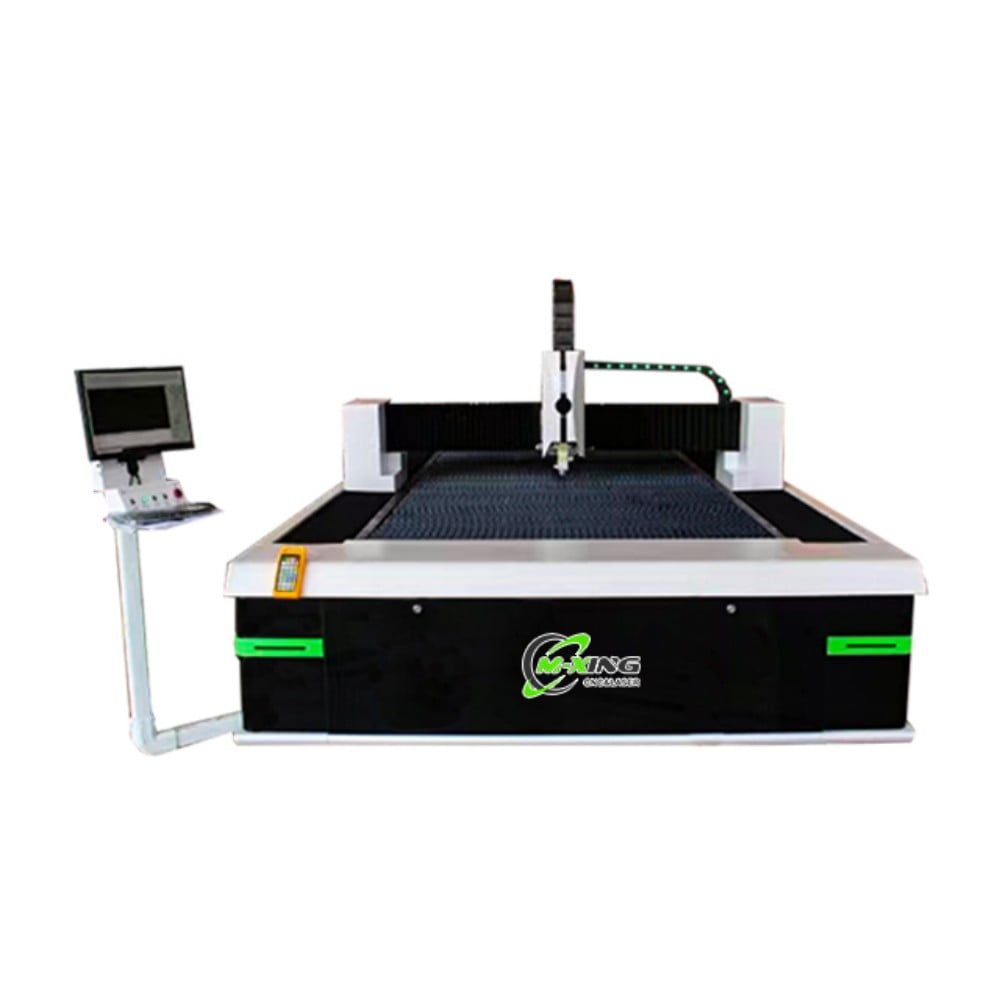
Understanding the tangible benefits of a small fiber laser cutter requires examining both its technical capabilities and practical workplace applications. A small fiber laser cutter delivers superior cutting accuracy compared to traditional mechanical methods, reduces material waste significantly, and accelerates production timelines. These improvements translate directly into lower per-unit costs, higher throughput capacity, and improved product quality that strengthens your competitive position in demanding markets.
Precision Cutting Capabilities of Small Fiber Laser Cutter Technology
Achieving Superior Accuracy with Fiber Laser Systems
The fundamental advantage of a small fiber laser cutter lies in its ability to produce cuts with tolerances that mechanical shears and punches simply cannot match. A small fiber laser cutter can achieve precision levels within 0.05mm, enabling manufacturers to cut intricate patterns, narrow slots, and complex geometries that would be impossible or require multiple processing steps with conventional equipment. This precision capability of a small fiber laser cutter means fewer rejected parts, reduced rework, and enhanced consistency across production batches. For industries such as aerospace components, medical device manufacturing, and electronics enclosures, the accuracy of a small fiber laser cutter becomes a critical competitive differentiator.
Material Versatility and Clean Edge Quality
A small fiber laser cutter excels across diverse metal substrates including stainless steel, aluminum, copper, brass, and specialty alloys. Unlike mechanical cutting methods that create rough edges requiring secondary finishing, a small fiber laser cutter produces exceptionally clean cut edges through focused thermal energy rather than mechanical force. This characteristic of a small fiber laser cutter significantly reduces or eliminates post-processing requirements, saving time and labor costs. The thermal nature of laser cutting also means a small fiber laser cutter can handle hardened materials and complex layered structures that would rapidly dull traditional cutting tools, extending tool life concerns and reducing overall operational complexity in your facility.
Waste Reduction and Material Efficiency Advantages
Minimizing Scrap Through Advanced Cutting Geometry
Material waste represents a substantial cost factor in metal processing operations, particularly when working with expensive alloys or specialty materials. A small fiber laser cutter minimizes kerf width through its concentrated beam, allowing nested cutting patterns that maximize usable material from each blank. Where traditional punching or shearing might waste 10-15% of material through edge loss and process limitations, a small fiber laser cutter can reduce waste to 2-5% depending on part geometry and layout optimization. This waste reduction compounds across high-volume production runs, creating substantial material cost savings that directly impact profitability. Manufacturers working with premium alloys or working to sustainability commitments find that a small fiber laser cutter aligns both economic and environmental objectives.
Optimizing Material Utilization Strategies
Advanced software integrated with a small fiber laser cutter enables sophisticated nesting algorithms that arrange cutting patterns to capture every viable piece from raw stock. A small fiber laser cutter's flexibility allows complex part shapes to be arranged with minimal spacing, something impossible when using rigid tooling. This optimization capability of a small fiber laser cutter transforms leftover scrap into usable secondary products or recovery material. Over time, this material efficiency advantage of a small fiber laser cutter creates measurable reductions in raw material procurement volumes, freeing working capital while demonstrating concrete resource stewardship to customers and partners who evaluate sustainability practices.
Production Efficiency and Operational Workflow Improvements
Accelerating Cutting Speed and Throughput
A small fiber laser cutter dramatically reduces cutting time compared to mechanical methods, with typical cutting speeds ranging from 5-20 meters per minute depending on material thickness and configuration. The speed advantage of a small fiber laser cutter compounds through multiple dimensions: faster individual cuts, elimination of tool change delays, and continuous processing capability without mechanical fatigue limitations. A small fiber laser cutter can operate continuously through multiple shifts without tool degradation or accuracy loss that affects traditional equipment performance over extended runs. This throughput improvement enables manufacturers to handle rush orders, accommodate seasonal demand spikes, and maintain shorter lead times that strengthen customer satisfaction and market responsiveness.
Reducing Setup Time and Operational Complexity
Transitioning between different parts or specifications requires minimal setup when using a small fiber laser cutter compared to mechanical equipment demanding tool changes, calibration, and mechanical repositioning. A small fiber laser cutter's software-driven approach means part programs can be loaded, verified, and executed within minutes rather than hours. This flexibility of a small fiber laser cutter particularly benefits manufacturers producing custom orders, short runs, or prototype validation where setup time represents a significant portion of total processing time. The operational simplicity of a small fiber laser cutter also reduces training requirements for equipment operators, enabling faster workforce integration and more consistent part quality across different production personnel.
Cost Benefits and Return on Investment Considerations
Quantifying Direct Cost Reductions
The economic case for implementing a small fiber laser cutter becomes compelling when calculating cumulative cost reductions across multiple dimensions. A small fiber laser cutter reduces direct labor costs through faster processing cycles, minimizes material waste through precision cutting, eliminates secondary finishing operations, and reduces tooling expenses that plague traditional mechanical approaches. A small fiber laser cutter's lower energy consumption compared to older CO2 laser systems or mechanical punching equipment contributes to operational cost savings. Many manufacturers recoup their investment in a small fiber laser cutter within 18-36 months through these combined efficiency improvements, after which the system becomes a profit-generating asset for years.
Supporting Production Scaling and Capacity Growth
When demand increases, adding processing capacity with traditional equipment requires proportional investments in multiple machines, operator hiring, and expanded facility space. A small fiber laser cutter enables capacity expansion through extended operating hours or workflow optimization without comparable facility expansion. A small fiber laser cutter's compact footprint means it integrates into existing workspaces efficiently, making it ideal for facilities facing real estate constraints. This scalability advantage of a small fiber laser cutter allows manufacturers to grow revenues without proportional increases in overhead, improving operating leverage and profitability as volumes increase.
FAQ
What industries benefit most from a small fiber laser cutter?
A small fiber laser cutter serves aerospace, automotive, medical devices, electronics, jewelry, signage, and custom metal fabrication industries. Any sector requiring precision cutting of stainless steel, aluminum, or specialty metals benefits from a small fiber laser cutter's accuracy, speed, and material versatility. A small fiber laser cutter is particularly valuable for manufacturers producing custom components or limited runs where setup time and tool costs become prohibitive with traditional equipment.
How does a small fiber laser cutter compare to mechanical cutting equipment?
A small fiber laser cutter offers superior precision, faster processing, minimal waste, and reduced secondary finishing compared to mechanical shears or punches. While a small fiber laser cutter requires software knowledge and maintenance expertise, it eliminates tool wear, delivers consistent edge quality, and handles complex geometries that mechanical equipment cannot achieve. A small fiber laser cutter's flexibility makes it superior for shops handling diverse part specifications or custom orders.
What maintenance requirements does a small fiber laser cutter involve?
A small fiber laser cutter requires regular lens cleaning, calibration verification, software updates, and inspection of optical components. Compared to mechanical equipment demands, a small fiber laser cutter maintenance is relatively straightforward and predictable. Fiber laser systems have significantly extended intervals between major service compared to older CO2 laser technology, making a small fiber laser cutter economical for long-term operations and minimizing unexpected production disruptions.
