
 EN
EN
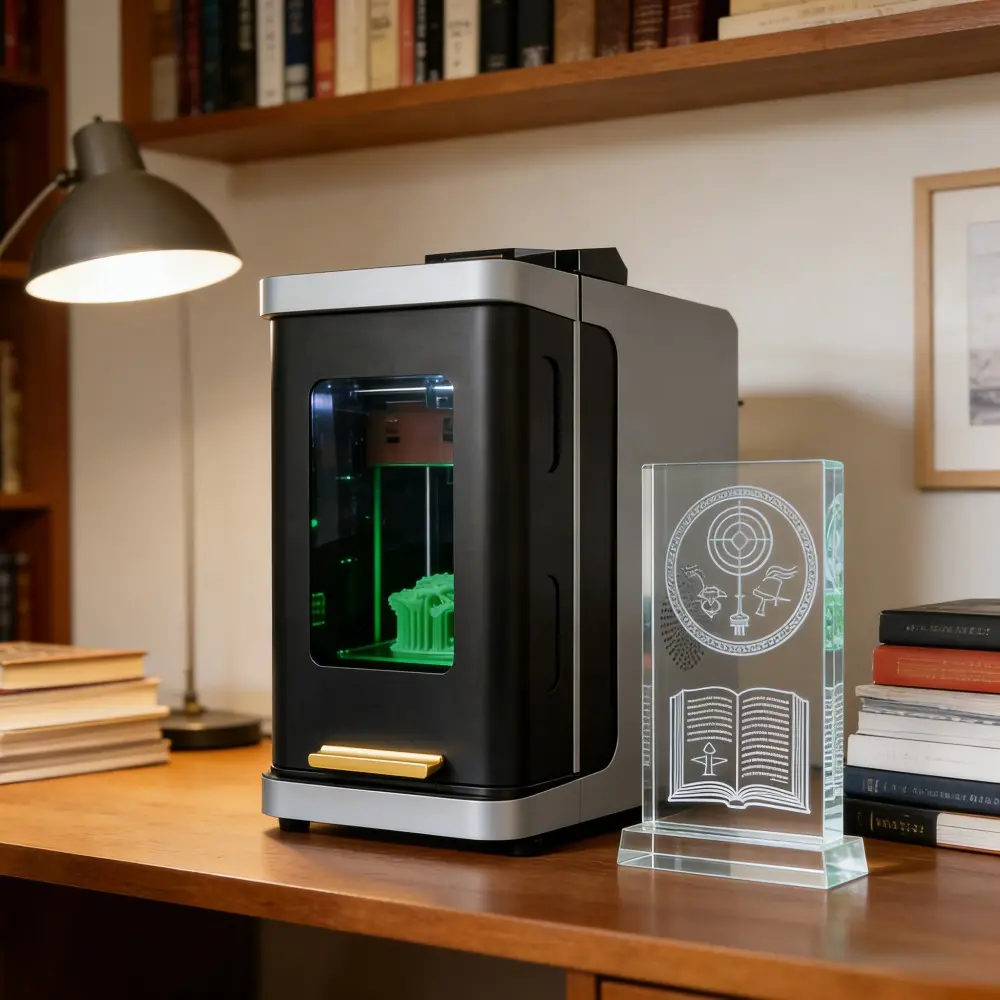
In modern industrial production, the ability to accurately identify and track products throughout their lifecycle has become non-negotiable. An engrave machine serves as a critical tool that enables manufacturers to embed permanent, tamper-proof identification directly into product surfaces. Whether stamping serial numbers, batch codes, QR codes, or security features, an engrave machine provides the precision and durability that paper labels and adhesive stickers simply cannot match. For industries ranging from automotive and aerospace to electronics and pharmaceuticals, an engrave machine is no longer a luxury feature but a fundamental requirement for maintaining supply chain integrity and ensuring regulatory compliance.
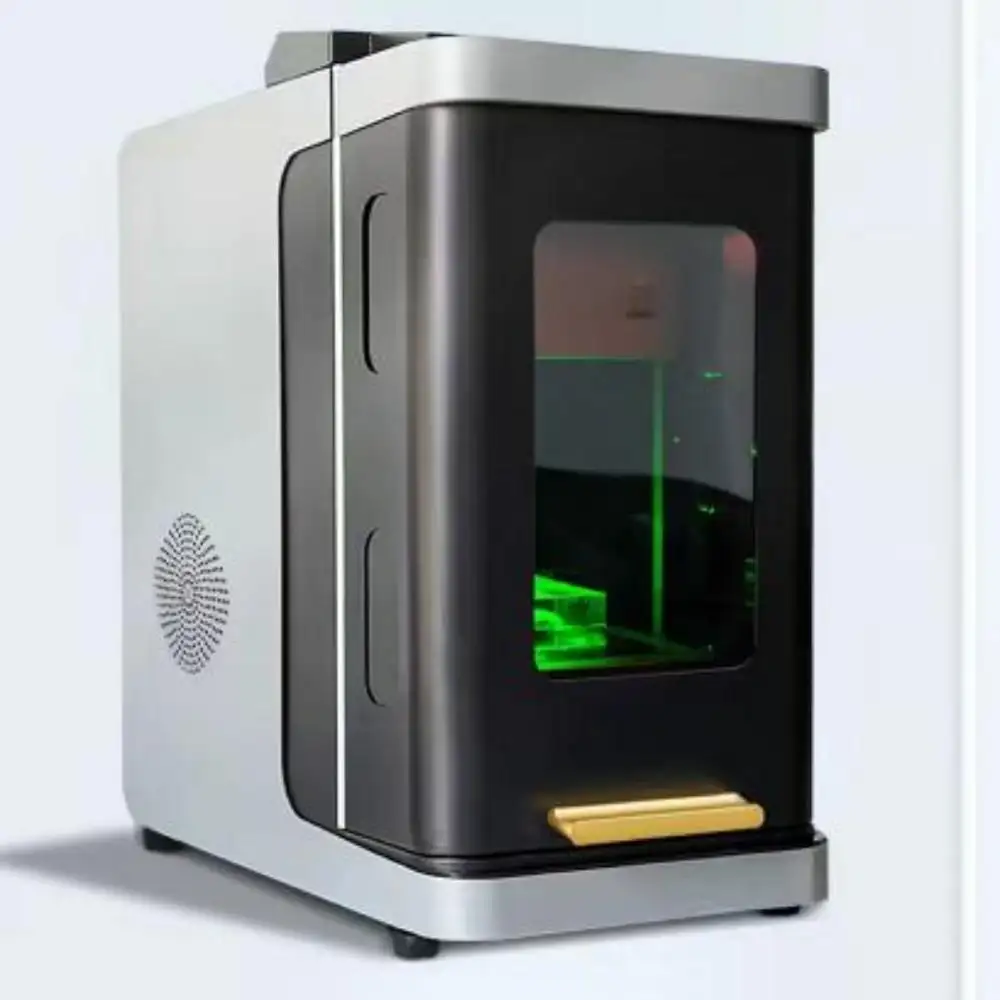
The importance of an engrave machine extends beyond simple product identification. In a landscape where counterfeiting, product recall management, and regulatory oversight continue to intensify, manufacturers must deploy solutions that offer permanence, security, and irrefutable evidence of origin. An engrave machine creates markings that cannot fade, peel, or be easily forged, making it the backbone of authentic traceability systems across global supply chains. Understanding why an engrave machine has become indispensable helps production leaders make informed decisions about their marking and identification infrastructure.
The Role of an Engrave Machine in Supply Chain Transparency
Permanent Product Identification and Documentation
Every manufactured product must carry identification that persists through shipping, storage, and handling without degradation. An engrave machine achieves this by creating permanent marks directly onto product surfaces—whether metal, plastic, ceramics, or composite materials. Unlike printed labels or ink-based codes that can wear away or become illegible over time, the marks created by an engrave machine remain intact for the product's entire lifespan. This permanence is critical because traceability only works when identification data can be reliably retrieved at any point in the supply chain, from the factory floor to end-user hands.
When a manufacturer implements an engrave machine system, every unit that leaves the production line carries embedded proof of its origin, batch number, manufacturing date, and lot code. Distributors, retailers, and consumers can scan or visually verify this information without fear of degradation. An engrave machine thus transforms passive product identity into an active, verifiable component of the overall quality assurance system. This capability is especially vital in industries where product recalls must be executed with surgical precision—the ability to identify exactly which units were affected can save both reputation and resources.
Anti-Counterfeiting and Authentication Security
Counterfeiting represents a multibillion-dollar threat across industries, from automotive parts to medical devices to consumer electronics. An engrave machine combats counterfeiting by producing marks that are extremely difficult to replicate without the exact equipment, specifications, and material expertise. Because an engrave machine creates marks at the material level—etching, vaporizing, or permanently altering the surface—counterfeiters face a significant technical and financial barrier to producing convincing fakes.
Many manufacturers enhance security further by combining an engrave machine with features like holographic elements, cryptographic coding, or variable data that changes by production batch. An engrave machine can encode microdots, hidden numbering, or depth-modulated patterns that cannot be reproduced through standard printing or surface application methods. This multi-layer approach, anchored by an engrave machine's precision, makes authentication checks faster and more reliable for supply chain stakeholders. Regulatory agencies and brand owners increasingly require an engrave machine-based marking solution specifically because of its inherent security properties.
Regulatory Compliance and Legal Requirements for Engrave Machine Adoption
Industry Standards and Mandatory Marking Regulations
Multiple industries operate under strict regulatory frameworks that mandate permanent product identification. In the aerospace sector, an engrave machine is often required to mark safety-critical components with traceability information that must survive extreme environments and remain readable for decades. The automotive industry similarly mandates that components carry identification marks created by an engrave machine to facilitate recall management and warranty tracking. Medical device manufacturers must use an engrave machine to mark instruments and implants with sterilization codes and lot numbers that cannot be removed or altered during standard cleaning and sterilization cycles.
Pharmaceutical and food packaging regulations frequently specify that an engrave machine must be used for date coding and lot marking to ensure batch-level traceability. An engrave machine meets these requirements because its marks are permanent, non-removable, and verifiable through standard inspection protocols. Many regulatory bodies, including the FDA, EU medical device directives, and ISO standards, explicitly recognize an engrave machine as a validated marking technology because of its reliability and permanence. Manufacturers that fail to implement proper marking systems, including an engrave machine where required, face penalties, product seizures, and loss of market access.
Documentation and Auditability Requirements
Beyond the marks themselves, an engrave machine system creates a trail of production data that supports regulatory audits and compliance investigations. Each time an engrave machine operates, it can be logged with timestamp, operator identification, and machine calibration status. This documentation creates a complete record of when, where, and how each product was identified. An engrave machine with integrated software can generate audit reports that demonstrate compliance with traceability requirements to regulators, customers, and certification bodies.
When regulatory agencies investigate product incidents or conduct compliance audits, they typically request evidence that an engrave machine was used to create required markings and that those markings match production records. An engrave machine system that maintains digital logs and quality data provides manufacturers with proof of compliance and significantly reduces liability during investigations. This documentation capability makes an engrave machine not just a marking tool but a critical component of the manufacturer's compliance and risk management infrastructure.
Operational and Economic Benefits of an Engrave Machine for Traceability
Production Efficiency and Real-Time Tracking Integration
Modern manufacturing environments demand speed without sacrificing accuracy. An engrave machine integrates seamlessly with production line automation, processing hundreds of units per hour while maintaining mark quality and consistency. Unlike manual labeling or external marking processes that require additional handling steps, an engrave machine can be positioned inline, marking products as they move through the production sequence. This integration eliminates bottlenecks and reduces per-unit marking costs significantly.
An engrave machine can be connected to enterprise resource planning and manufacturing execution systems, enabling real-time traceability data capture. Each marking event creates a digital record that flows directly into the production database, eliminating manual data entry and reducing errors. An engrave machine with this level of integration transforms traceability from a compliance checkbox into an operational advantage, allowing managers to track inventory, identify quality issues, and respond to market demands with unprecedented precision and speed.
Long-Term Cost Reduction and Risk Mitigation
While the initial investment in an engrave machine system requires capital expenditure, the long-term economics favor permanent marking over alternative identification methods. An engrave machine eliminates ongoing costs associated with label replacement, re-marking during product refurbishment, or dealing with illegible identification that creates fulfillment errors. Because an engrave machine creates marks that last the product's entire lifecycle, manufacturers avoid the hidden costs of traceability failures, including product recalls, customer returns, and regulatory penalties.
An engrave machine also provides insurance against supply chain disruptions. If labels become damaged during shipping or storage, an engrave machine's permanent marks remain accessible for verification. This resilience translates to reduced warranty disputes, faster root cause analysis during quality investigations, and lower overall supply chain risk. Manufacturers that deploy an engrave machine report measurable improvements in inventory accuracy, recall execution speed, and customer confidence in product authenticity. For large-volume producers, the risk mitigation value of an engrave machine often justifies the investment within the first year of operation.
FAQ
What makes an engrave machine more reliable than printed labels for traceability?
An engrave machine creates permanent marks at the material level, which means they cannot fade, peel, or be removed through normal handling, shipping, or environmental exposure. Printed labels can degrade over time, become illegible, or be accidentally removed during cleaning or processing. An engrave machine's marks remain readable and verifiable throughout the entire product lifecycle, making them the preferred choice for industries where traceability must survive decades of use or extreme conditions.
Is an engrave machine suitable for marking different material types?
Yes, an engrave machine can mark a wide range of materials including metals, plastics, ceramics, composites, and anodized surfaces. Different engrave machine types—such as fiber laser, CO2 laser, or mechanical engraving—are optimized for specific materials and marking depths. Manufacturers can select an engrave machine configuration based on their primary product materials and marking requirements. An engrave machine's versatility makes it applicable across diverse industries and product categories.
How does an engrave machine help during product recall situations?
When a product recall is necessary, an engrave machine's permanent markings allow manufacturers to quickly identify which units were affected by cross-referencing batch numbers, dates, or lot codes. An engrave machine's reliable marks ensure that retailers and distributors can verify product identity without ambiguity, preventing removal of safe products from shelves and accelerating the removal of affected units. An engrave machine system paired with digital records enables precise, efficient recall execution that protects consumers and minimizes business disruption.
