
 EN
EN
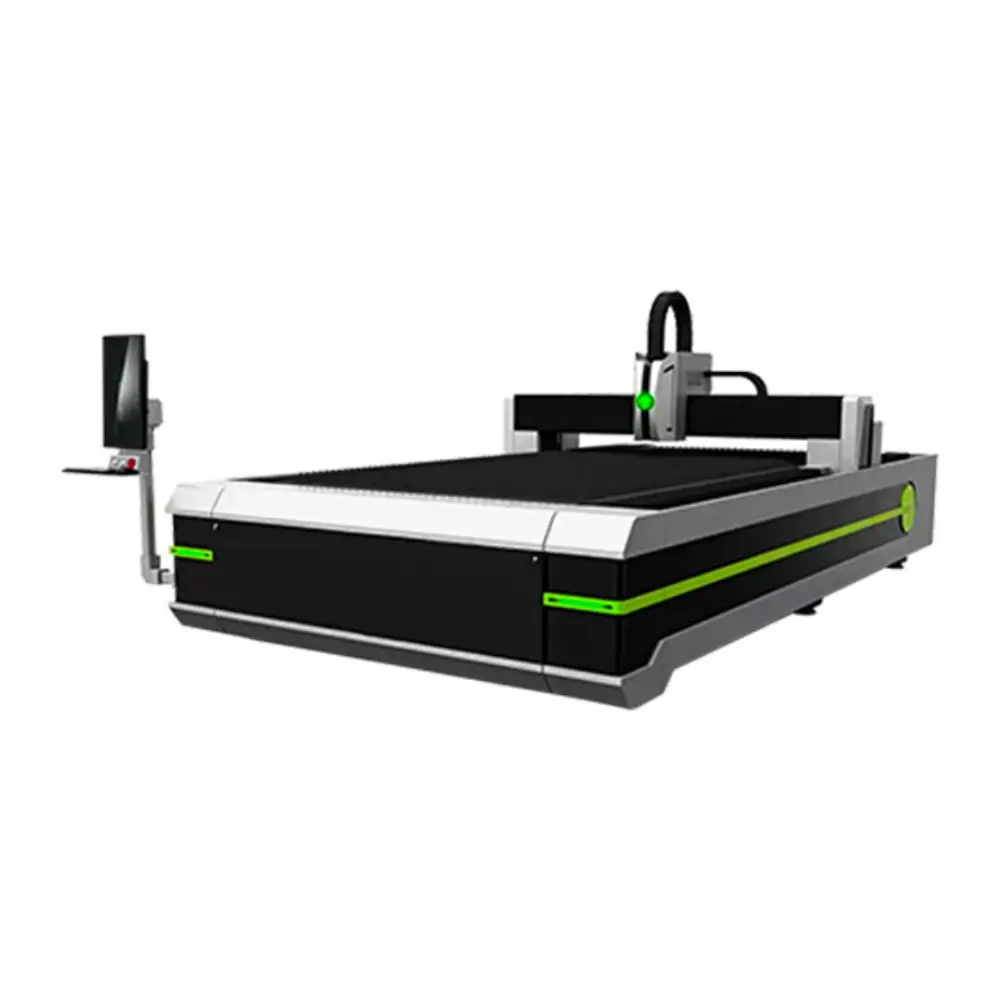
A small fiber laser cutter represents a transformative investment for businesses seeking precision cutting capabilities without the spatial demands of larger industrial systems. These compact machines deliver exceptional accuracy and speed across diverse applications, making them ideal for companies operating in space-constrained environments or those requiring flexible production workflows. Understanding which industries benefit most from this technology helps decision-makers identify whether a small fiber laser cutter aligns with their operational goals and profitability targets.
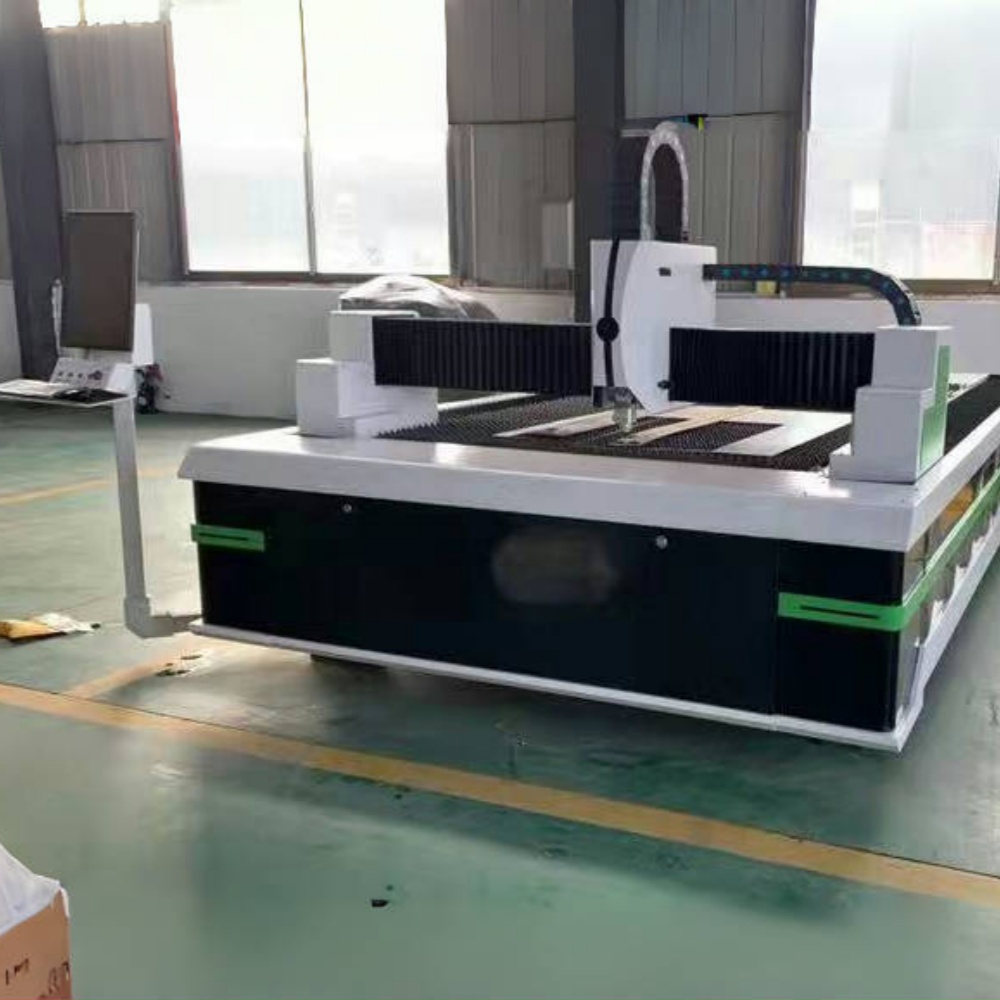
Modern manufacturing demands precision tools that balance performance with practicality. A small fiber laser cutter meets this need by offering industrial-grade cutting precision in a footprint suitable for workshops, small factories, and specialized production facilities. The technology enables rapid prototyping, custom part fabrication, and high-volume production runs with minimal material waste, directly impacting bottom-line profitability across multiple industry sectors.
Jewelry and Precious Metals Manufacturing
Intricate Design Execution with Small Fiber Laser Cutter Technology
The jewelry industry represents one of the primary beneficiaries of small fiber laser cutter innovation. Jewelers and precious metal craftspeople require tools capable of cutting, engraving, and marking delicate materials with micron-level precision. A small fiber laser cutter enables artisans to transform digital designs into physical pieces without the tool marks, heat distortion, or material waste associated with traditional cutting methods. Whether working with gold, silver, platinum, or copper alloys, the concentrated beam energy ensures clean edges and consistent quality across repeated production cycles.
Rapid Prototyping and Custom Orders
Custom jewelry demand continues rising, and a small fiber laser cutter accelerates the prototyping phase dramatically. Designers can test concepts, make adjustments, and deliver finished pieces faster than traditional fabrication routes. This speed-to-market advantage translates directly into competitive differentiation and higher profit margins. Many jewelry businesses report that investing in a small fiber laser cutter reduces lead times by 40 to 60 percent while maintaining artisanal quality standards that justify premium pricing.
Electronics and Component Manufacturing
Precision Marking and Component Cutting
Electronics manufacturers depend on a small fiber laser cutter for marking circuit boards, cutting intricate traces, and engraving component identifiers with absolute reliability. The technology excels at processing materials common in electronics production, including anodized aluminum, stainless steel, and laser-responsive polymers. A small fiber laser cutter produces permanent, legible marks that withstand harsh operating environments, corrosion, and extended product lifecycles. This capability supports traceability, regulatory compliance, and quality assurance across the supply chain.
Rapid Customization in Contract Manufacturing
Contract electronics manufacturers leverage a small fiber laser cutter to handle diverse customer requirements without expensive retooling or extended setup times. When clients request custom part dimensions, unique marking schemes, or specialized configurations, a small fiber laser cutter delivers flexibility that traditional punch press or waterjet systems cannot match. The result is reduced minimum order quantities, faster turnaround times, and stronger customer relationships built on responsiveness and reliability.
Medical Device and Pharmaceutical Production
Sterile Component Fabrication
Medical device manufacturers face stringent cleanliness and biocompatibility standards that demand cutting-edge fabrication methods. A small fiber laser cutter produces components with minimal thermal stress to the parent material, reducing the risk of material property degradation or contamination. The contactless cutting process eliminates tool marks and microscopic contamination that compromise device performance or patient safety. Whether cutting stainless steel surgical instruments, precision valve components, or diagnostic equipment housings, a small fiber laser cutter meets the exacting standards of regulated medical manufacturing.
Compliance and Documentation
Regulatory bodies require comprehensive documentation of manufacturing processes, material specifications, and quality control measures. A small fiber laser cutter integrates with digital manufacturing systems that automatically log cutting parameters, material batch numbers, and quality metrics. This traceability capability simplifies FDA audits, ISO certification processes, and internal quality reviews. Many medical device firms report that a small fiber laser cutter reduces compliance documentation time and strengthens their audit readiness significantly.
Automotive and Aerospace Applications
Precision Part Production for Specialized Components
The automotive and aerospace sectors require cutting systems capable of handling exotic materials and delivering uncompromising precision. A small fiber laser cutter cuts titanium, aluminum composites, hardened stainless steel, and specialized alloys with superior edge quality compared to mechanical cutting. Applications include fuel system components, hydraulic fittings, structural brackets, and sensor housings where dimensional tolerance and material integrity directly impact safety and performance. A small fiber laser cutter produces components that meet aerospace quality standards and automotive supplier certifications.
Batch Flexibility and Supply Chain Resilience
Modern supply chains prioritize resilience and flexibility to respond to disruptions and market shifts. A small fiber laser cutter enables automotive and aerospace suppliers to diversify production capacity, reduce single-source dependencies, and maintain shorter lead times. When production bottlenecks occur at primary suppliers, a small fiber laser cutter at secondary facilities maintains business continuity and customer commitments. This operational flexibility has become increasingly valuable in volatile global markets.
FAQ
Which materials work best with a small fiber laser cutter?
A small fiber laser cutter performs exceptionally well on metals, including stainless steel, aluminum, copper, brass, titanium, and precious metals like gold and silver. The technology also processes anodized coatings, painted surfaces, and laser-responsive polymers. Non-metallic materials such as ceramics, gemstones, and some plastics are also compatible, though effectiveness varies by material composition. Dielectric materials and transparent substances generally require different laser wavelengths and may not be suitable for small fiber laser cutter applications.
What is the typical return on investment for a small fiber laser cutter?
ROI depends on production volume, product complexity, and current manufacturing methods. Many businesses report payback periods of 18 to 36 months when a small fiber laser cutter replaces manual fabrication, reduces material waste, or accelerates time-to-market. Jewelry manufacturers, electronics firms, and custom part producers typically see faster ROI than low-volume operations. The real value emerges from quality improvements, reduced scrap, faster prototyping, and the ability to accept higher-margin custom orders that a small fiber laser cutter makes economically viable.
How does a small fiber laser cutter compare to other cutting technologies?
A small fiber laser cutter excels in speed, precision, and material versatility compared to waterjet, plasma, or mechanical cutting methods. Unlike waterjet systems, a small fiber laser cutter requires minimal consumables and produces no secondary waste streams. Compared to mechanical punch press operations, a small fiber laser cutter eliminates costly die fabrication and handles complex shapes without tool changes. The primary trade-off is initial capital investment, though lower operating costs and superior part quality typically justify the expense across production-intensive industries.
